

 Supported

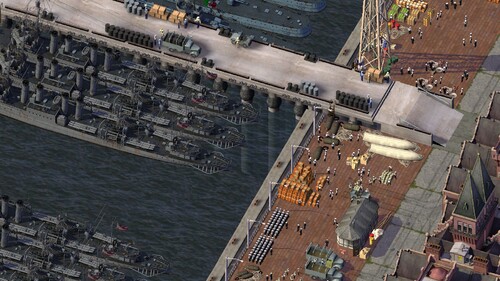
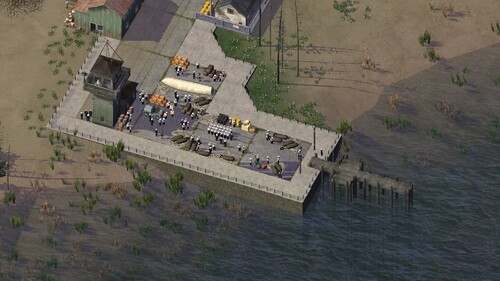
About This File

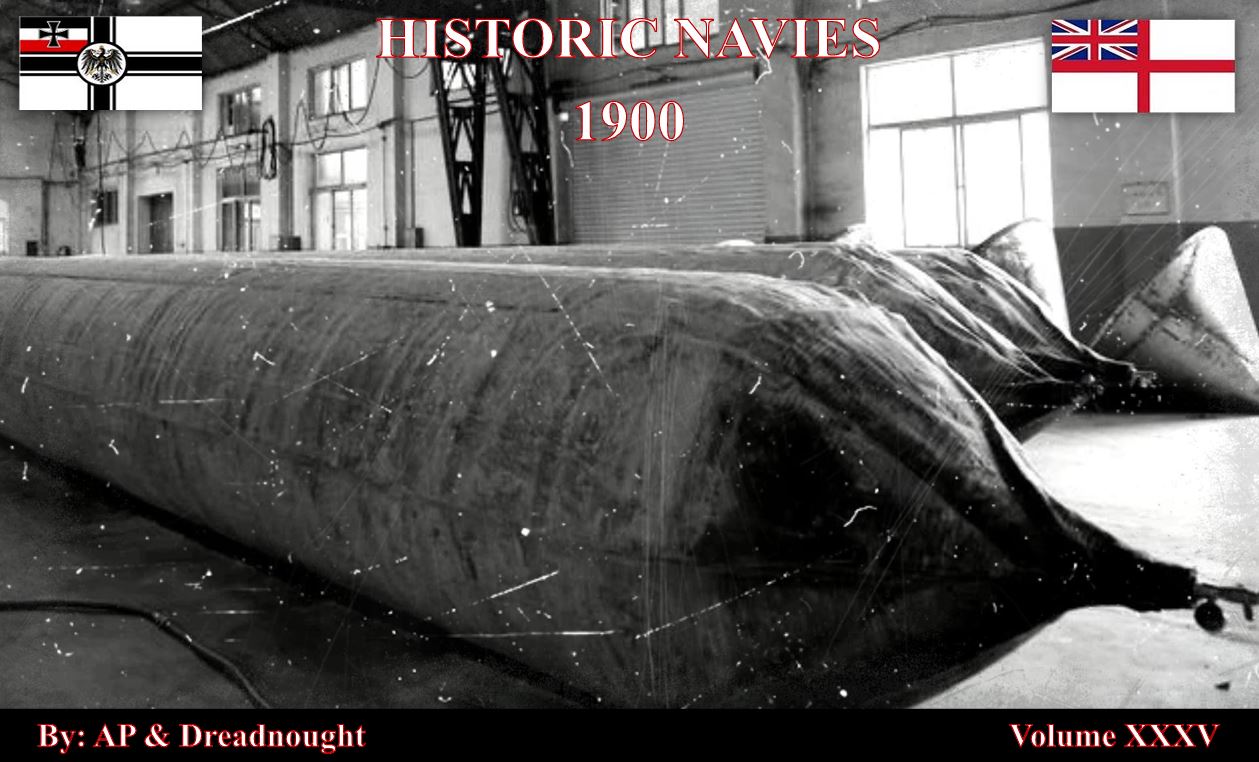
Mooring Dolphins
Mooring “fenders” are a common piece of equipment familiar to anyone with a small pleasure craft, right up to the sailors on the largest bulk tankers and warships. Fenders are deployed along the sides of a ship or boat – between the ship and the dock – or between two ships – to prevent damage to both the ship and dock when the moored vessel moves with the tide or current. Some canals and piers have permanent fenders attached to the structure, while ships usually carry portable fenders. The device has been improvised for centuries – the earliest type may well have been old or damaged hawsers bundled together and dangled over the ship’s side by a rope. The fender on the nose of a tugboat is a classic example of the bundled-hawser type. In the 19th Century, a piece of wood was often thickly wrapped with several layers of old sailing canvas and hung over the side. The idea of the fender generally became an essential piece of equipment with the development of expensive iron and steel hulled ships. By the 1940’s, rubber began to be used in making fenders and old, discarded vehicle tires were a popular choice.
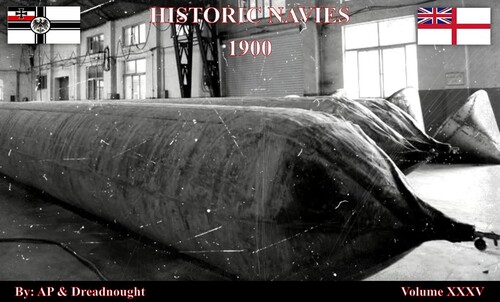
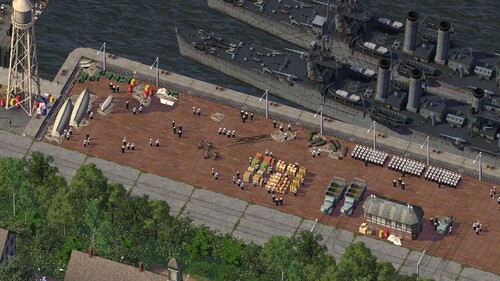
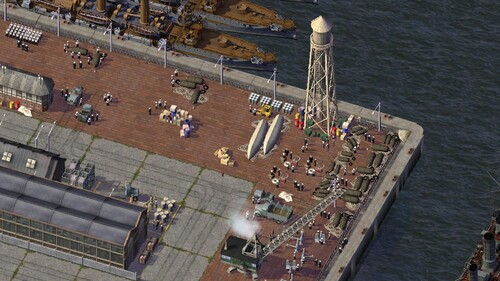
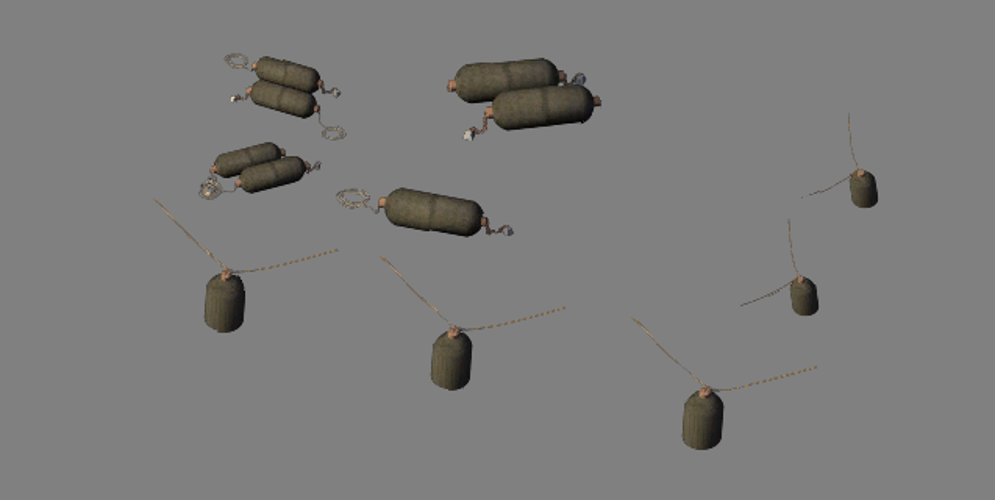
The fender we chose is not generic to our historical period, but it is significant to maritime operations the world over. The Pneumatic Fender was first developed in the 1980’s, primarily for use during ship-to-ship transfer operations or for “nesting” situations when two ships are moored together at a berth. The device is a simple, oval-shaped, thick rubber capsule (similar in shape to a pharmaceutical capsule) with two chambers. The bottom chamber is filled with sufficient sea water to maintain it in a vertical position when floating, but not enough to sink it. The upper chamber is air-filled and provides the cushioning between the ship and the dock. Not very fancy – but imminently functional. There are two basic sizes of fenders for use with large or small ships, and a waterline model of fenders deployed in the water. These make excellent dockside props – especially when used with the rope coils already provided in an earlier prop pack. We couldn’t figure out where else to put them – so we have also included two sizes of ship’s gangways in this pack.
How to use
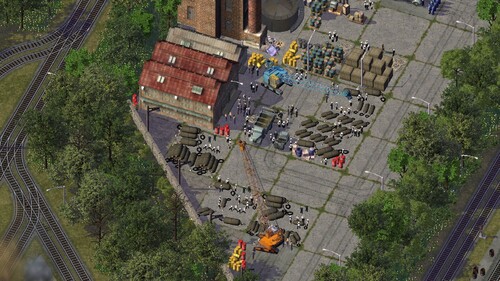
This pack contains .SC4model-files and props as .SC4desc-files. So, by installing this pack nothing will directly appear in your game. You can use the props on your own lots or convert the SC4models into buildings, as you please. Since most props are to be used on water lots and props naturally align with the surface level, they will sink to the sea floor, if you do not stick to the guidelines on how to use props on water lots. Finally you will need to follow the instructions on how to make a lot transparent. You will find the props in any Lot-Editor under the prefix A_1P_h_
As per request from the community, I have also included a version of the ship without historic flags and crew.
Please visit @Dreadnought's CJ to get detailed descriptions and the historical backgrounds to these prop packs. You will see a wonderful display of the results of our long collaboration there and can get a preview of what might be hidden in the coming prop packs or simply get some inspiration for your own harbour!
What's New 1.0.0 View Changelog
Released
Restored 6/10/2026
-
 12
12
-
 3
3


