



solarpunk City layouts, street patterns, and the main transportation system

@frayer, @Elitejohnson, @Honolulu, @mitsos, @Daeris, @Kuba138, @CaptCity, @Mr. Jay, @Propfam, @TogaMasterJohn, @Golan0, @Barroco Hispano, @Dead_End and @hugues aroux: Thank you very much for your likes and your comments 
RIP, Odainsaker 
It's been a year, right? Damn. Time for some updates, I guess. Today we'll have a look at the transportation system of Fairview and the layouts and patterns of our cities. How our cities will look like and how our Sims could go from point A to point B with the minimum carbon and environmental footprint possible? Let's find it out.
I wanted every city to have its own layout and identity, in order to study various patterns and make Fairview a more interesting place to visit. As I like to say, variety is the spice of life. So we have organic-grid fusion for Green Eden, radial design for Arcosanti-3000, nazcanian pattern for Venus City, and city clusters for Lys.
-1759683823.jpg.e412cf35e40c9e741302157b3b08b6f4.jpg)
As well as a few avenues and one-ways "randomly" placed here and there 
-1759683769.jpg.8539acea84bb032dff96b3aef34770a2.jpg)
In Green Eden I used a mix of organic layout with the classic grid. The grid pattern is simple, elegant and straightforward, based on order, efficiency, and problem solving. Finding an address here is very easy, and emergency and delivery vehicles can reach any location without the fear of getting lost in an irregular, chaotic pattern. Building infrastructures is also very easy thanks to the orderly design of the grid. The city plots in the grid pattern share some standard sizes, which promises some form of social equality. However it has some drawbacks. It looks very cold and mechanic, and it's not very flexible according to the local terrain. For those reasons it can become very boring and repetitive very fast, as if it was designed by a machine that puts logic over anything else. In larger cities, it can also form strong wind corridors between tall buildings, although it can be utilized by small vertical-axis wind turbines for extra energy.
The organic pattern, on the other hand, is based on necessity and geography, making it look more ecological and humane than the orderly grid. For those reasons, it's more flexible according to the terrain and can lead to the construction of more interesting and diverse cities, providing a better and richer visual, social and cultural variation than the griddy cities. Tourist and even locals may get lost in those organic cities, which however is part of its charm because it encourages them to explore the city and drive them to beautiful surprises. This may sound like a perfect pattern for a solarpunk city, but hold your ponies! Infrastructure development can be very challenging and expensive here, especially when we're talking about bigger and vital projects such as building universities and hospitals, and navigation can be so difficult it's very easy to get lost, which can be very catastrophic in emergency situations such as floods and earthquakes. The last thing you want is having fire trucks and ambulances wasting vital time while trying to reach the victims in a chaotic road network during a disaster.
Both organic and grid patterns have their advantages and disadvantages. So, how about mixing them to get the best of both worlds? This is why Green Eden uses a loose-grid pattern, which is a fusion of organic and grid designs that mixes order with diversity. It's design is simple enough to ease traffic and navigation, and comes with more than enough forms of variations to make it look interesting and humane. Here, there is something for everyone. In fact, some of the blocks the city already has could eventually be redeveloped to form superblocks, neighborhoods that functions like smaller autonomous cities with their rules and identity.
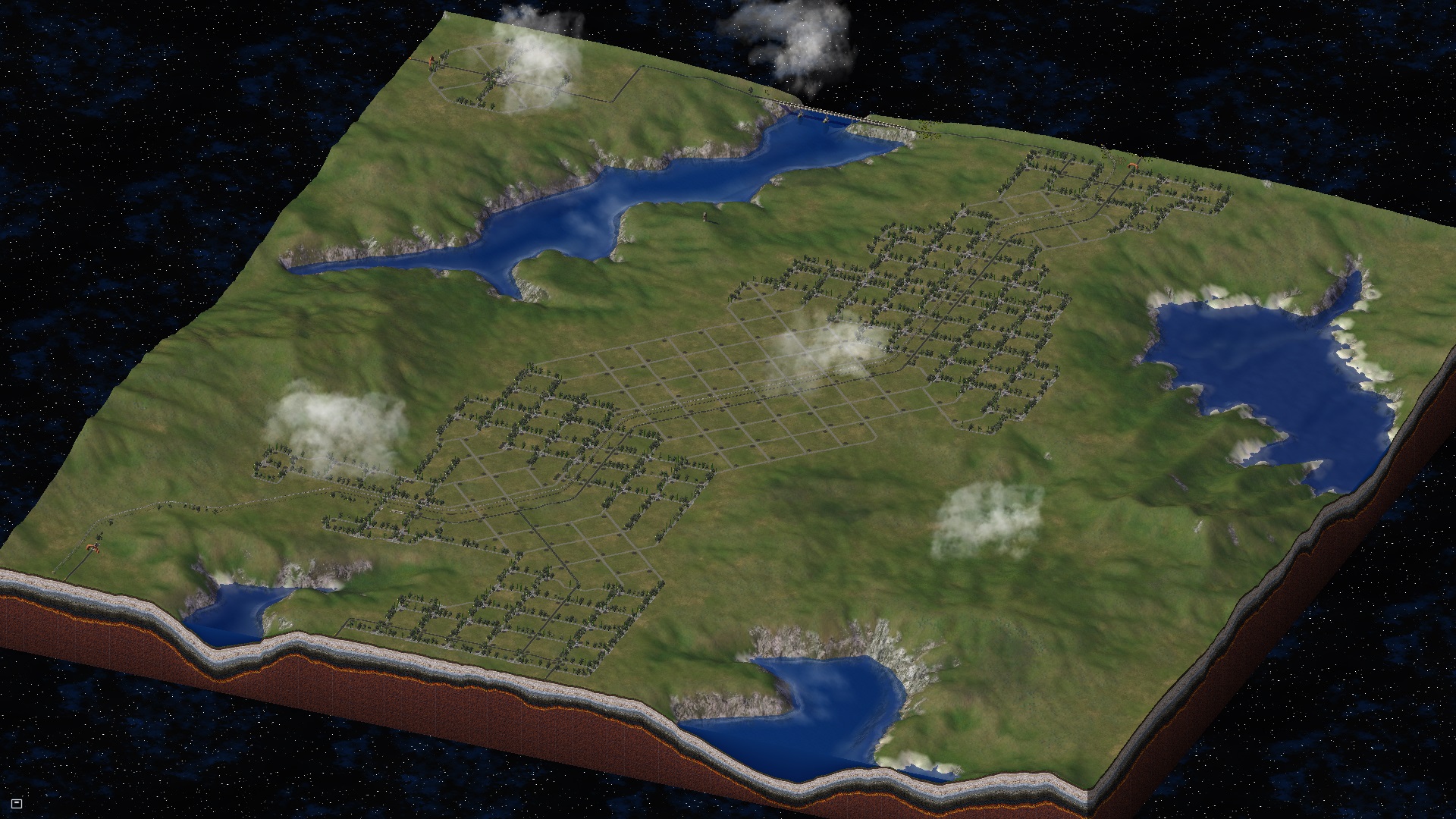


The smooth turns from NAM are so satisfying, by the way

Since the main body of Arcosanti-3000 is located in a peninsula, picking a radial pattern is just a non-brainer. The radial arrangement makes it easier to construct and maintain the city while using far less energy and materials than any other pattern, making the radial cities more efficient and effective than griddy and organic cities. Furthermore, it's possible to get direct access from the center to the entire city and vise versa under this pattern. Since all the roads lead here, the center becomes the heart and the brain of the city and each district get fair and equal access to it, which is vital if the center houses important infrastructures such as hospitals and fire stations. Managing traffic can also be easy, especially if you have a good public transportation system with busses and circular tram lines. If you start from one end of the city and go through it without visiting the center, you'll always return to the same place. You don't have to waste energy and time in backtracking, thus making the radial design even more efficient. Overall, the radial design is both practical and awesome looking, making it the perfect pattern for a futuristic city, but it comes with its own challenges too. If there are no direct connections, moving between neighborhoods can be difficult and you'll have to go through the center. Because of this, the center can become even more crowded and traffic congestion can get serious, resulting to high levels of air pollution and car accidents all happening in a single area. This is why ring roads providing direct connections are so important for radial cities.


Seriously, can you blame me for using this pattern? 

The Venus City uses a fusion of radial and organic pattern. Instead of been a big radial city, it has been broken into a medium-sized city and 2 smaller ones, all touching each other to form a bigger city with a specific design. This is something I like to call a nazcanian pattern, because it's heavily inspired by the Nazca Lines that form figurative designs of animals and plants if you look at them from a high enough altitude. The design of the Venus City resembles a drawing of planet Saturn made by the Italian astronomer Galileo Galilei back in 1610. Because of the crudeness of his telescope, he couldn't determine what the rings were, and he incorrectly guessed that Saturn was a 3-body system with 2 very large moons on either side of the planet, thus drawing Saturn as if it had ears or arms.

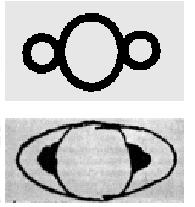

Oh, remember when I said that the Venus City uses a mix of radial and organic pattern? This is what I was talking about. I didn't want to destroy the hill, so I decided to build a detour in order to preserve it. This is why Saturn looks like it has been bitten. Better sacrifice the design than the environment.

Of all the cities in Fairview, Lys has the most unique pattern. Which is... no pattern at all! This part of Fairview has so many inaccessible natural features such as hills, cliffs and islands, that the only way to build a big city here is to essentially destroy the entire area. Which is out of question! For those obvious geographic and environmental reasons, Lys is not a big one-piece city like Green Eden, but a cluster of smaller ones connected together to form Lys. This city is as decentralized as it gets. None of these mini cities is more or less important than the others, like a group of people who have no leader but can still cooperative just fine. Lys is, generally speaking, a city made by satellite cities.
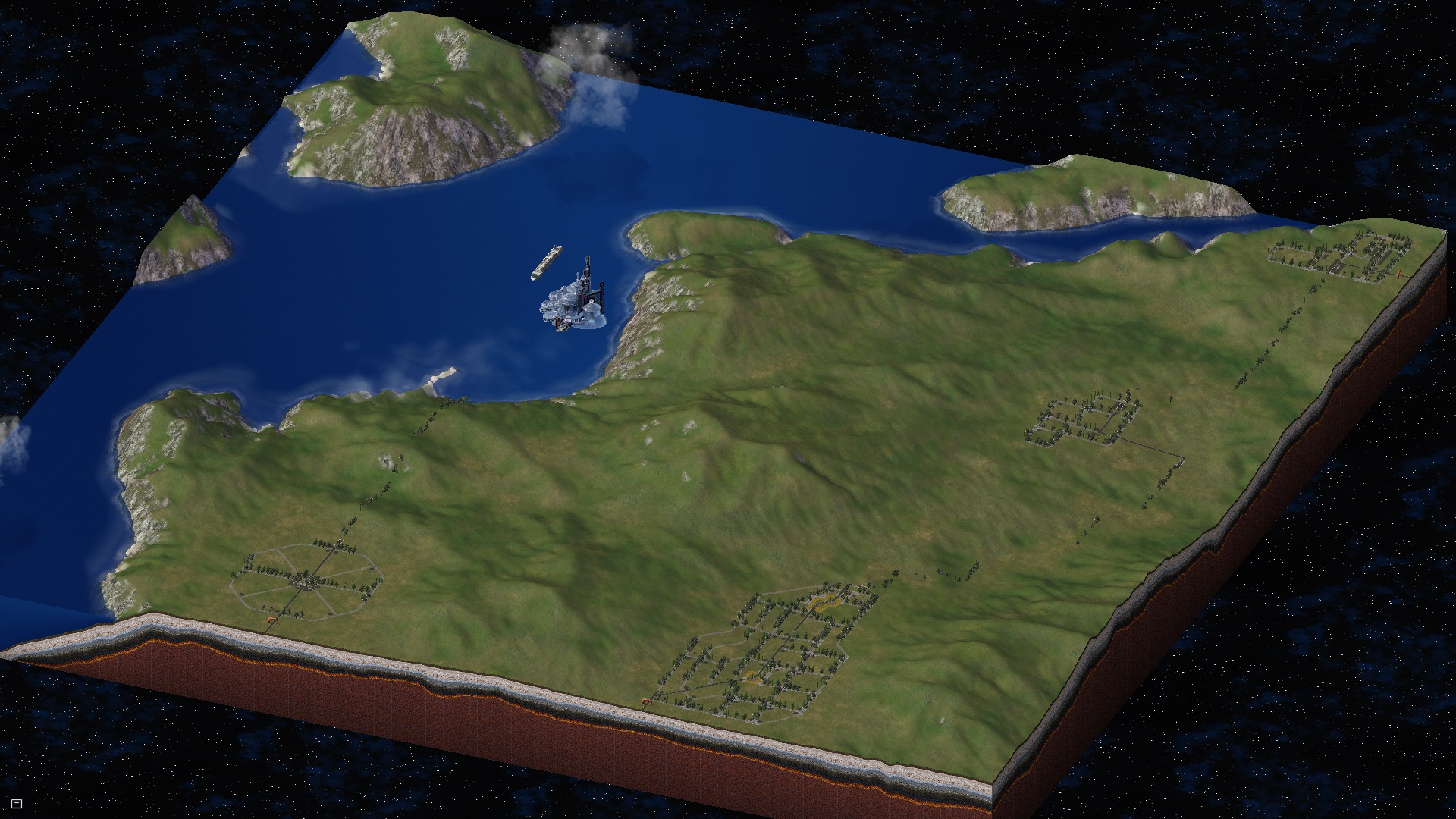


However, each city in Fairview has at least one satellite city in various shapes and sizes, from mini neighborhoods to actual towns. Those cities work both as expansions for the larger cities and as autonomous settlements, with their own rules and personality.
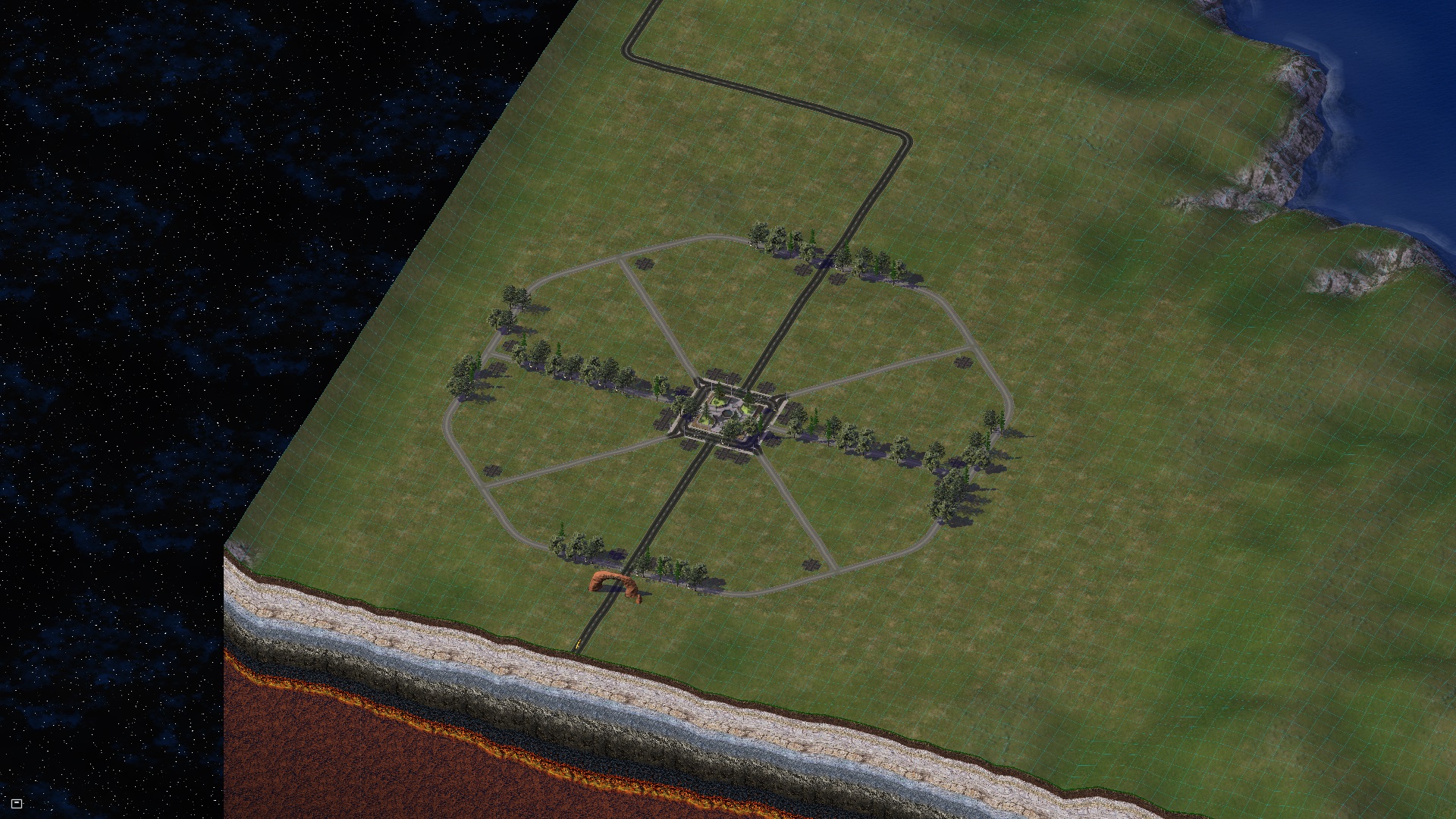


This, however, is the biggest satellite city yet. It's inspired by the City of Zakynthos, the capital city of Zakynthos island, at which I used to be a university student 20 years ago. The City of Zakynthos has plenty of pedmalls and you could explore it and go through the entire city on foot. For those reasons I decided to make something different in this city. Instead of the classic streets, this city comes with plenty of pedmalls and bike lines. You can say that this satellite city is my tribute to my university years.


Maybe I should provide all of my cities with more pedmalls and bike lines too.


And speaking about bike lines and pedmalls, I think it's time to talk about Fairview's transportation systems. In most solarpunk scenarios and eco-cities concepts, people are using anything but cars to move around. In those scenarios and cities, cars have even been entirely banned, and any roads there are only for pedestrians and cycling. This is a common form of reaction against our current car-centric cities, with all those space-wasting parking lots and those highways cutting entire neighborhoods and replacing green with asphalt, giving nothing but air pollution and traffic jams and contributing to climate change. In our cities the car is the ultimate ruler, because this is what lobbies and car industries demand, and we, the people, are just some worthless pests who only live to work and pay taxes until we die. So, it's no wonder why more and more people want car-free cities.

I don't like car-centric cities either and I'd like living in a car-free city like the above, but there is a problem with having no cars at all. Some people just can't walk or use public transportation for various reasons, such as disability. They need a car to transport themselves, and outright banning cars would be catastrophic for them. Besides, cars are tools and they can be useful in various situations, such as transporting supplies in isolated areas or injured people to the nearest clinic. This is why we're going to pick a slightly different strategy. Fairview will welcome cars, but will not worship them. Here, cars are not the rulers. People are. Here, cars are just a way to move around. Not the only way. To achieve this, Fairview strategy is to invest in public transportation and encourage walking and cycling, by having mass transit stops everywhere, schedules so often you'll not have to worry about missing a bus, and a better zoning strategy in order to make the cities walkable. Cars will still exist, but they'll not been prioritized above anything else anymore. If you can encourage walking and using the bus, what's the point of banning the cars anyway? Let them be. Just don't put them above anything else. And no, replacing all cars with EVs, while a good idea, will not fix traffic jams and prevent car accidents.

The easiest and probably the most obvious and straightforward (and cheapest) way to create a car-less city is by building such an extensive network of bus stops, preferably in every corner, that most Sims will simply have no reason to use a car. Why spending so much time driving in busy roads and finding a parking space, when you can just pick a bus from the nearest bus stop that will go wherever you want, whenever you want? Sure, buses are slow and make a lot of stops, but can transport a very large number of Sims, putting the "mass" in mass transit. In fact, an average bus can take 30 cars off the road, a full double-decker bus over 70 cars, and a large articulated bus can replace 80 to 100 cars, thus drastically reducing traffic jams, air pollution, and the need of space-consuming roads and highways.
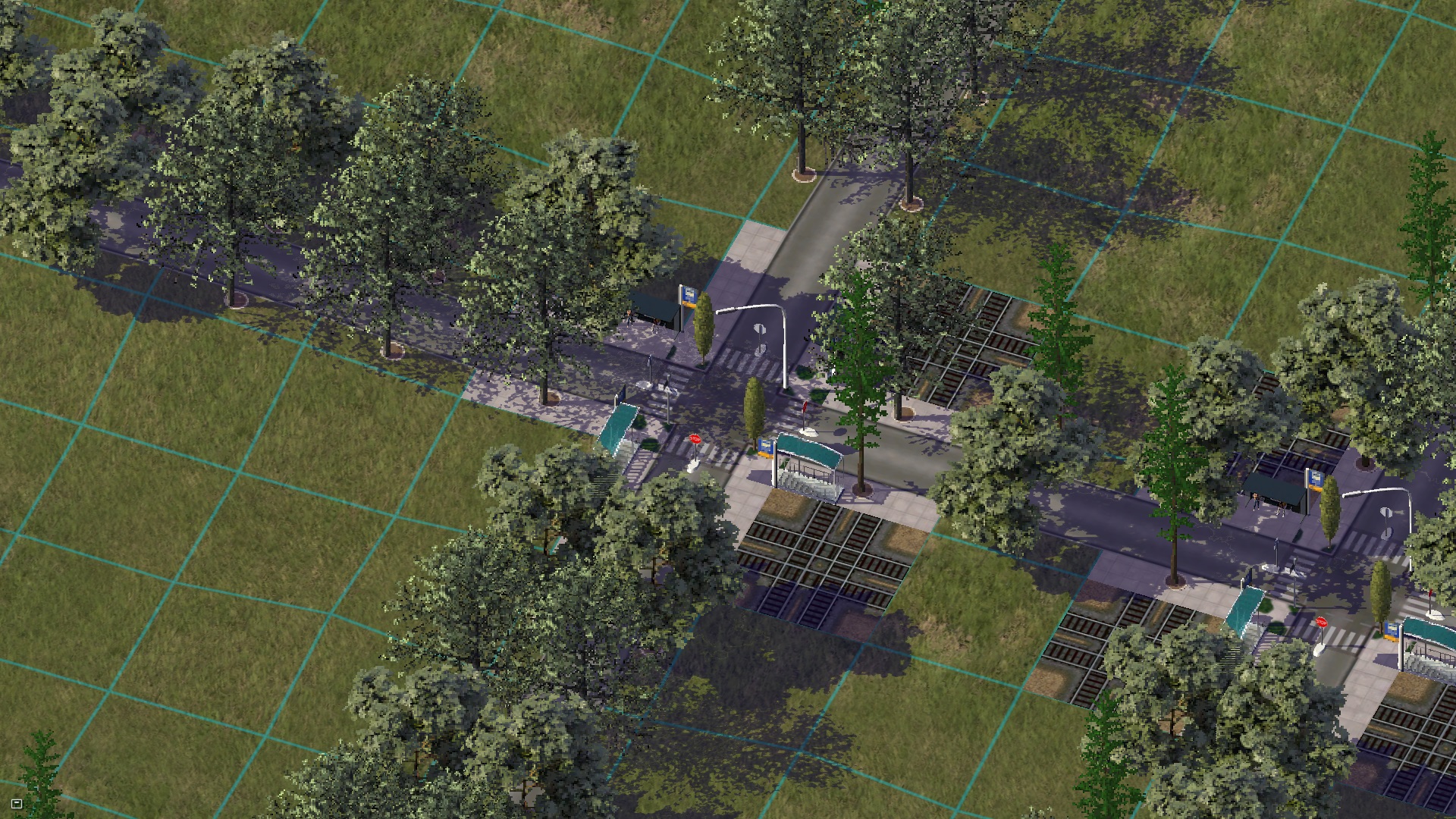
But the real innovation here is the subway system, with a sub station also in every corner. Instead of ordinary trains and railroads running under our feet, Fairview's subway is essentially an underground and extensive version of a Personal Rapid Transit (PRT). PRT is a public transportation system that features a network of specially built guide-ways, on which ride small automated pod-cars that can carry a few passengers per vehicle. In other words, a system that combines the efficiency and the safety of a train with the flexibility and the speed of a taxi. In this system, Sims can get on a pod immediately upon arriving at a station (which station can be literally under their house), and can take more direct routes to their destination without stops, unlike buses. Pods can carry much less Sims than buses but they're way faster, and can transport their passengers exactly to the destination they want, like a taxi.

So, which is better? A slower but bigger bus, or a smaller but faster pod? Based on my experience, I believe that the bus is the best answer because of the high number of cars it can replace. But to be honest, I also find attractive the idea of something as flexible as the PRT. So if we can have both of them, why not? Buses and PRT could work together and Sims could either choose a bus or a pod, depending on their needs.

Both buses and pods can be used for both inner-city and intercity commute. But if you need something that combines the high capacity of the bus with the high speed of PRT, the Magnet-O-Train is your best friend. The Magnet-O-Train is a monorail train that, as its name suggest, travels on magnetic levitation (maglev), reducing resource waste and shortening the average travel time. Why maglev? Because compared to the ordinary heavy trains, maglevs can achieve higher top speeds, superior acceleration and deceleration, lower maintenance costs, improved gradient handling, and lower noise. Furthermore, as a monorail, the Magnet-O-Train actually hugs the rail, eliminating the danger of deadly derails. However, maglevs are more expensive to build, cannot use existing infrastructure and conventional railroads, and use more energy at high speeds. To reduce its energy needs, the Magnet-O-Train is equipped with solar glasses that generate electricity with transparent solar panels. That's right, the train's glasses generate energy too! As about the cost, we'll talk about it in a future entry.
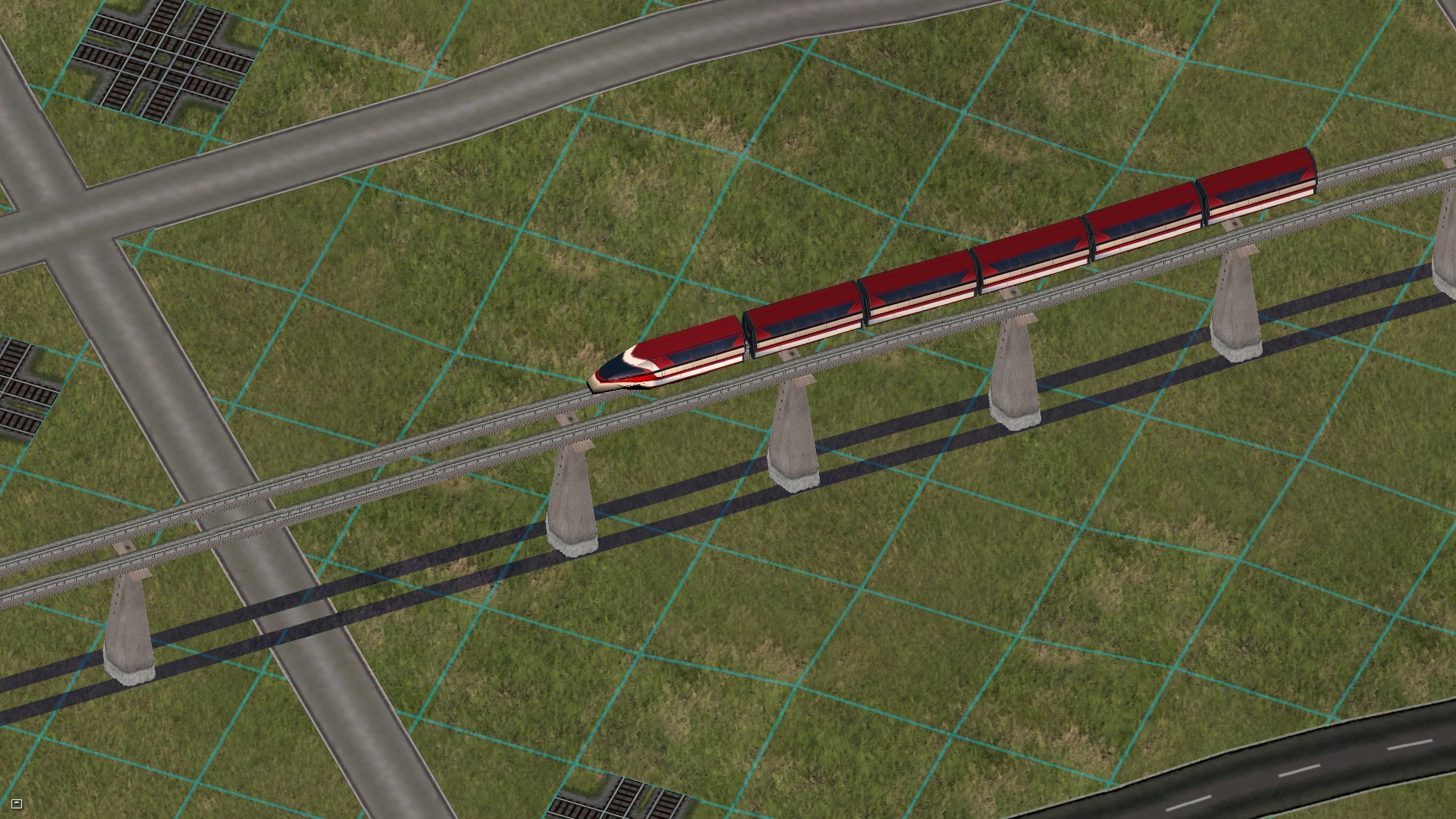


The Magnet-O-Train is an obvious and brilliant choice for both locals and tourists because it's fast, safe, and environmental friendly. And if that's not enough, its terminal at the Venus City connects the Magnet-O-Train to the Fairview's extensive bus and PRT network. As soon as the tourist arrives here, the rest of Fairview becomes accessible.


Alright, so we have pedmalls, bike lines, buses, pods, and a monorail. You think that's enough? Nope! Now it's getting even more cool, because now it's time to have a look at a regional transportation network unlike any other.
A highway.
Not a land highway for electric cars and hydrogen trucks. Oh no.
A marine highway!
That's right, a highway for water vessels that uses magneto-hydro-dynamic drives for propulsion, such as cargo ships, ferries, and even submarines. A highway over the river. Because of the river that crosses Fairview, this region is ideal for water transportation, but ordinary seaports are out of question because of the heavy environmental damage they could cause. So what's the next best thing? Offshore aero-seaports! That's right, seaports and ferry ports located in water, connected to the the rest of Fairview by underground roads.
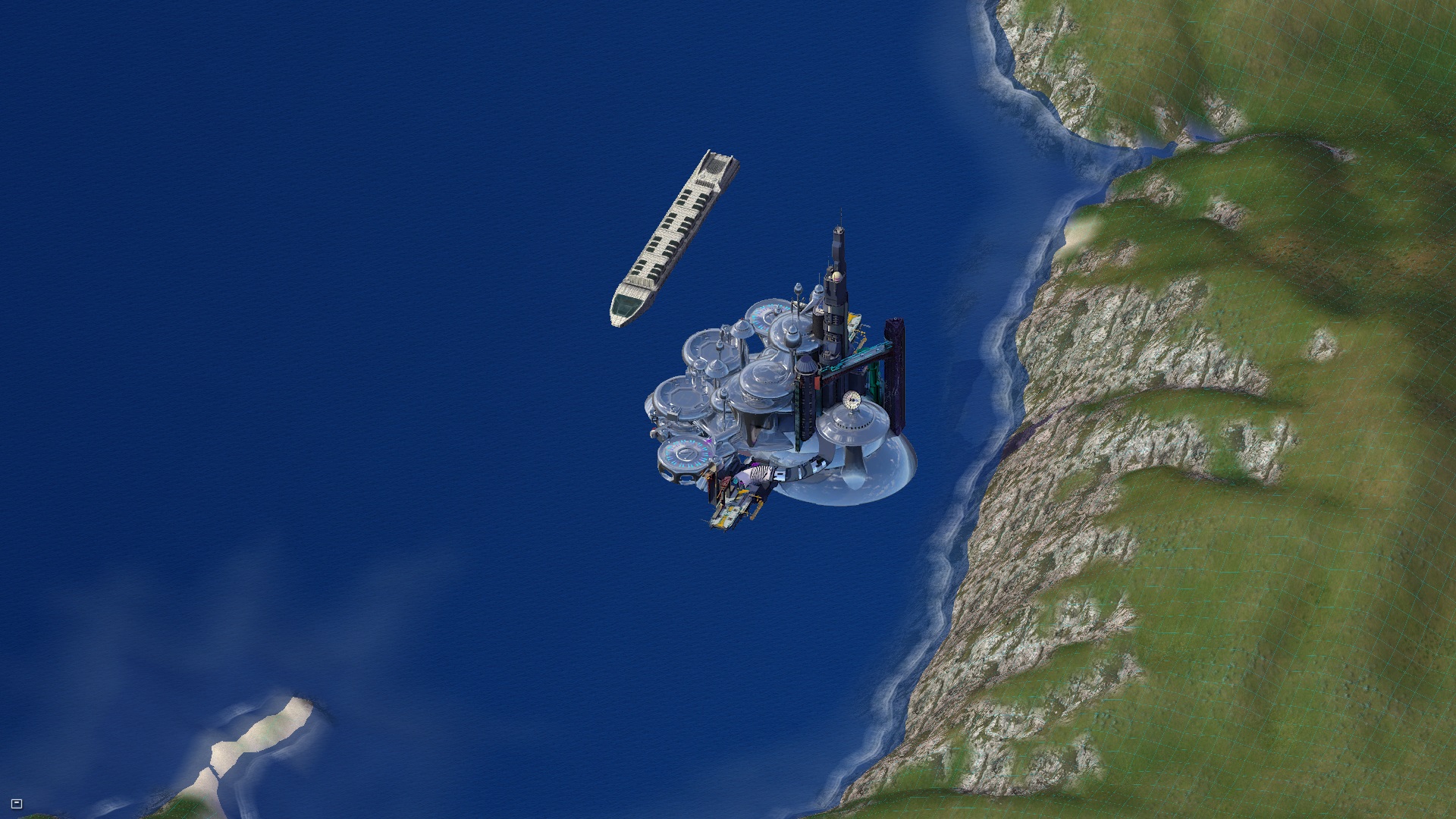
The idea of a water highway is based on the Alaska Marine Highway. Alaska is the largest state of USA, but only a dozen highways serve the state, and more than 80% of Alaska's communities can't be reached by road. So for food, freight, and people to get to those secluded towns, Alaskans invented a highway over the high seas, with ferries working around the clock to connect 33 coastal ports. Fairview's marine highway is similar to AMH, but it services not only ships and submarines, but also aircrafts, helicopters, and even spacecrafts. Fairview's seaports functions as vertiports too. A vertiport is a take-off and landing site for Vertical Take-Off and Land (VTOL) aircrafts, helicopters, airships, drones, and even VTOL aero-spacecrafts. Unlike ordinary airports, they don't need runways, making them ideal for Fairview, especially if they're constructed on water.

This is a Silver Arrow, a modular passenger spacecraft that uses ion thrusters to fly. Silver Arrows consist of detachable sections that can be rapidly loaded or unloaded with passengers. When a Silver Arrow arrives at its destination, the selected passenger modules can be gently disconnected from the spacecraft's main body and land to the nearest pad of the vertiport by using smaller ion thrusters attached to the modules.

And if that's not enough, we have something even more cool, even more futuristic, even more atomic-jet-techno-radio-synthetic-robotic-cyber-nano-pico-femto-quantum-photonic-solar awesome!
Mountain trails.
Yes, mountain trails!
Mountain trails brings Sims even closer to the natural environment and are perfect for hiking, exploring, and for both educational and recreational activities, such as stargazing and bird watching. But they can also connect different cities if they're close enough, allowing Sims to commute and visit another city simply by walking through Fairview's wilderness.


So we have mountain trails, pedmalls, bike lines, buses, PRT, Magnet-O-Train, ferries, submarines, VTOL aircrafts, helicopters, airships, and even spacecrafts. With all those choices available, do we really need bigger roads than we already have? We have some avenues and one-ways here and there, but that's all. No highways, not bigger roads, no huge intersections. Nothing else. We have the "basics" and we're happy for that.

Only 2 bridges have been constructed so far, and both of them are just simple road. No highway bridges, nothing else.


Having an extensive network of roads in Fairview is not only unnecessary thanks to all the above alternatives, but also detrimental to the local environment. Sure, roads brings cars, and cars brings air pollution and contribute to climate change, unless they're electric or hydrogen fueled. But roads are also the most common culprits of habitat fragmentation by penetrating and dividing wildlife habitat. Roads are necessary for transportation, but they can also decrease habitat amount and quality, increase mortality due to wildlife-vehicle collisions, prevent access to resources on the other side of the road, and subdivide wildlife populations into smaller and more vulnerable sub-populations. A common solution to this problem are wildlife crossings, structures like green bridges and wildlife tunnels that allow animals to cross roads safely.
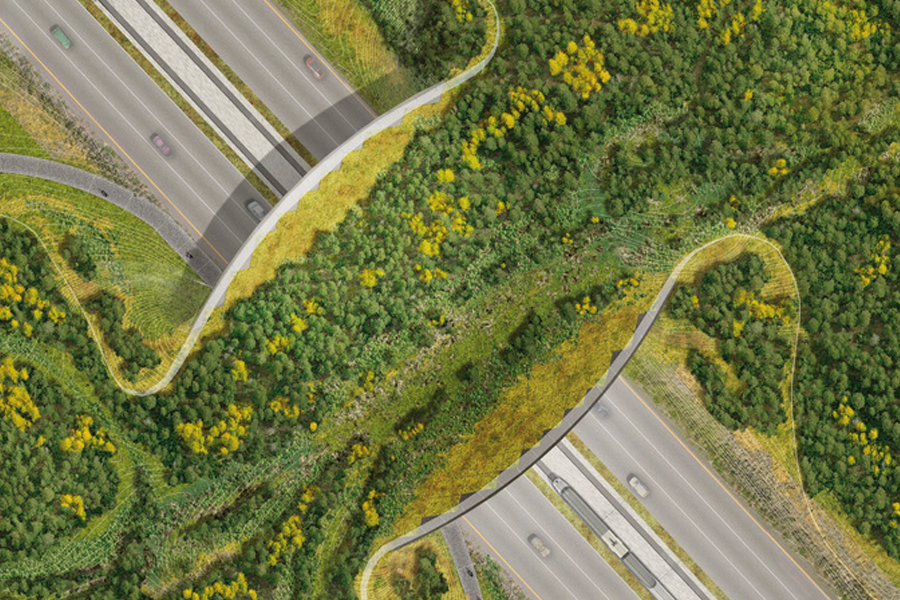
Wildlife crossings are indeed awesome, but do you know what could be even more awesome? Entire underground roads! When possible, of course. This is how we solve the problem of habitat fragmentation, combat climate change, and prevent roadkill. By having entire roads under the ground! 


See? This is how regional roads should look like. And yes, in this photo there is a road. Don't believe me? Try to spot it.

Madness? Madness?
This!
IS!
FAIRVIEW!
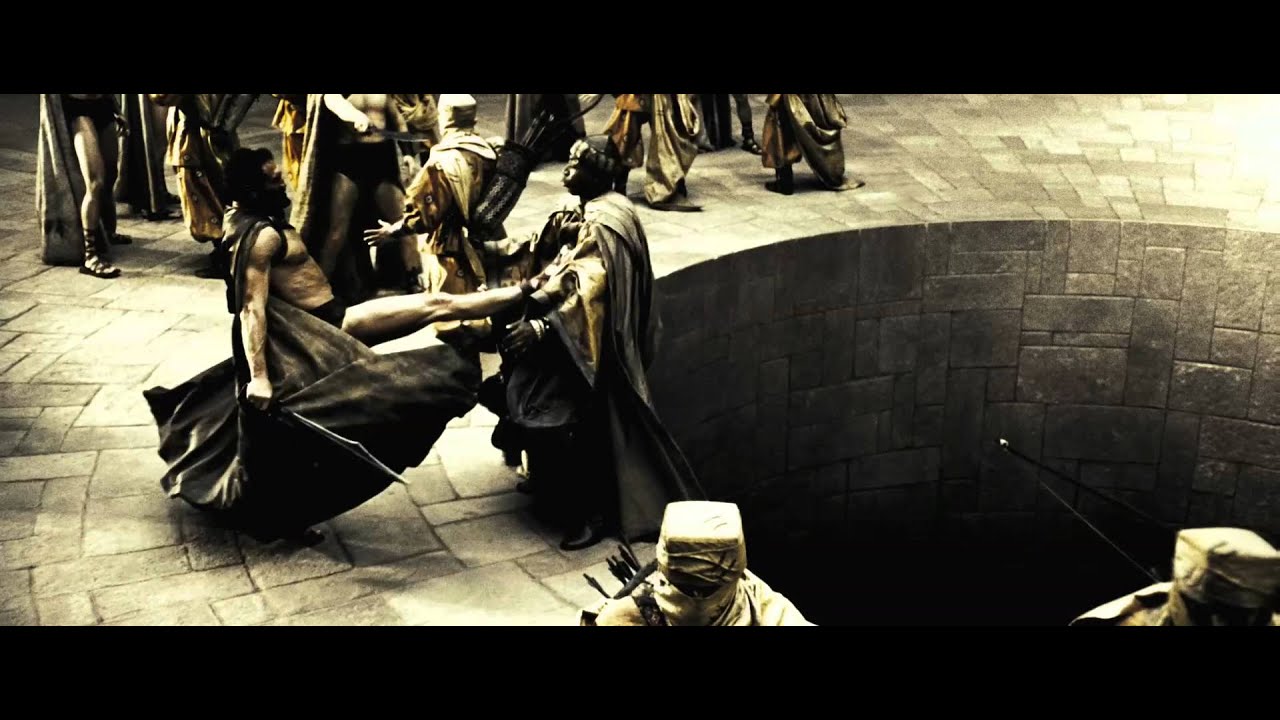
Sorry, I couldn't resist 
And yes, you can use the underground roads to connect the seaports with the mainland.

There are still some gaps that haven't been filled yet, though. In Arcosanti-3000 and the Venus City there are still some empty areas that haven't been touched yet. I'll keep them as they are for now, because they're perfect places for possible future expansions and developments. Satellite cities? Farms? A university? Who knows what we'll need someday. This is why it's very important to leave some room for future improvements, because you never know what you and your Sims will need. There is no perfection, no utopias. Only an endless road of constant changes and improvements. Be flexible. Be adaptive. Or, as Bruce Lee said, "be water, my friend".

The next new entry will hopefully not take me that much time to prepare it. With the patterns ready, it's time to begin the construction of our utilities and civic infrastructures, prepare the zones, and start the fun.
Follow Fairview 

Or follow this guy's fate

-
 17
17


8 Comments
Recommended Comments
Sign In or register to comment...
To comment in reply, you must be a community member
Sign In
Already have an account? Sign in here.
Sign In NowCreate an Account
Sign up to join our friendly community. It's easy!
Register a New Account