



Mother of Exiles

Update 42
Spring 1882
When Lee Shao was just a little boy his uncle journeyed to America to earn a fortune in the midst of the California gold rush. Lee didn’t remember much, only that his family was very excited. Most of his family had never left the small rural town in China. It wasn't until years later that Lee even learned where America was. Periodically he would receive news of his Uncles whereabouts and adventures.
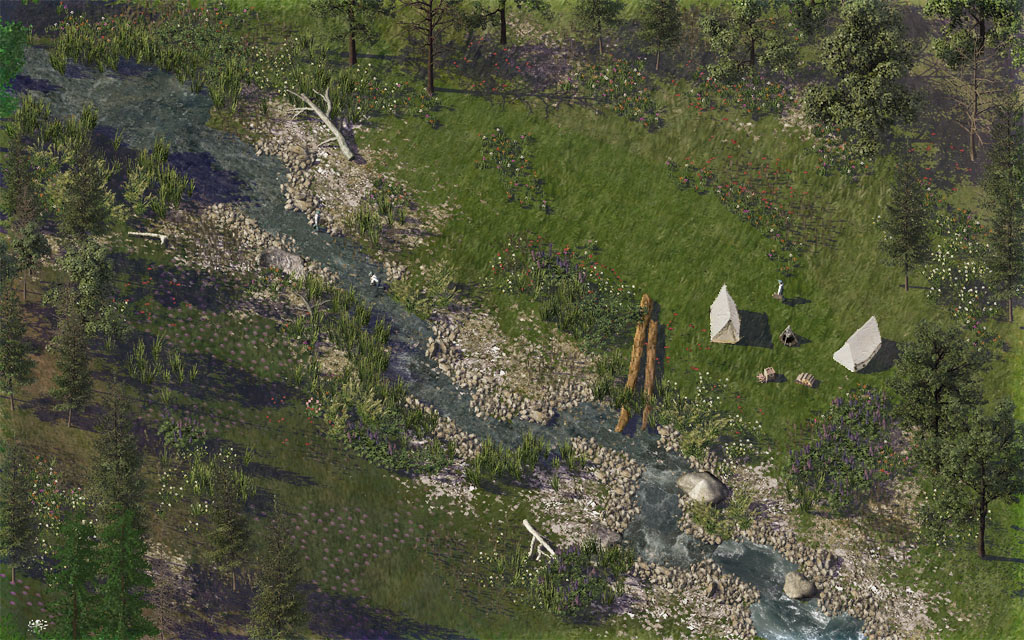
After the gold rush waned, the building of the intercontinental railroad began in earnest, and thousands of Chinese workers, including Lee’s uncle, joined the endeavor. In 1878, At the age of 23, Lee made the trip across the largest ocean in the world and tried his hand on a railroad crew, just as his uncle had done years earlier.
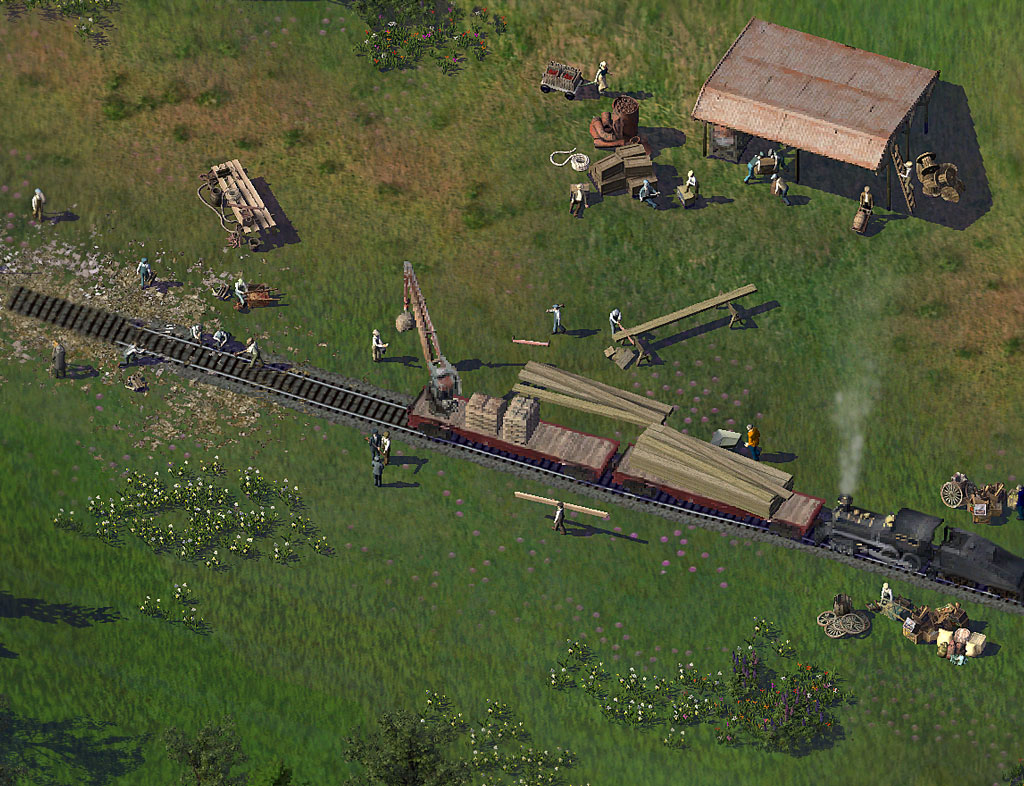
After landing in Portland, Oregon, Lee Shao made the trek up to Steamer Bay and joined hundreds of other Asian immigrants in search of work on the Northern Pacific Railroad.
 *
*
Lee knew only a few English phrases, but he could wield a hammer and his hard work earned him a spot on one of the crews. The labor was demanding, but Lee was young and the pay was far greater than anything he could earn back home in China. By the spring of 1882, Lee had a handsome savings and his own small house in Steamer Bay.
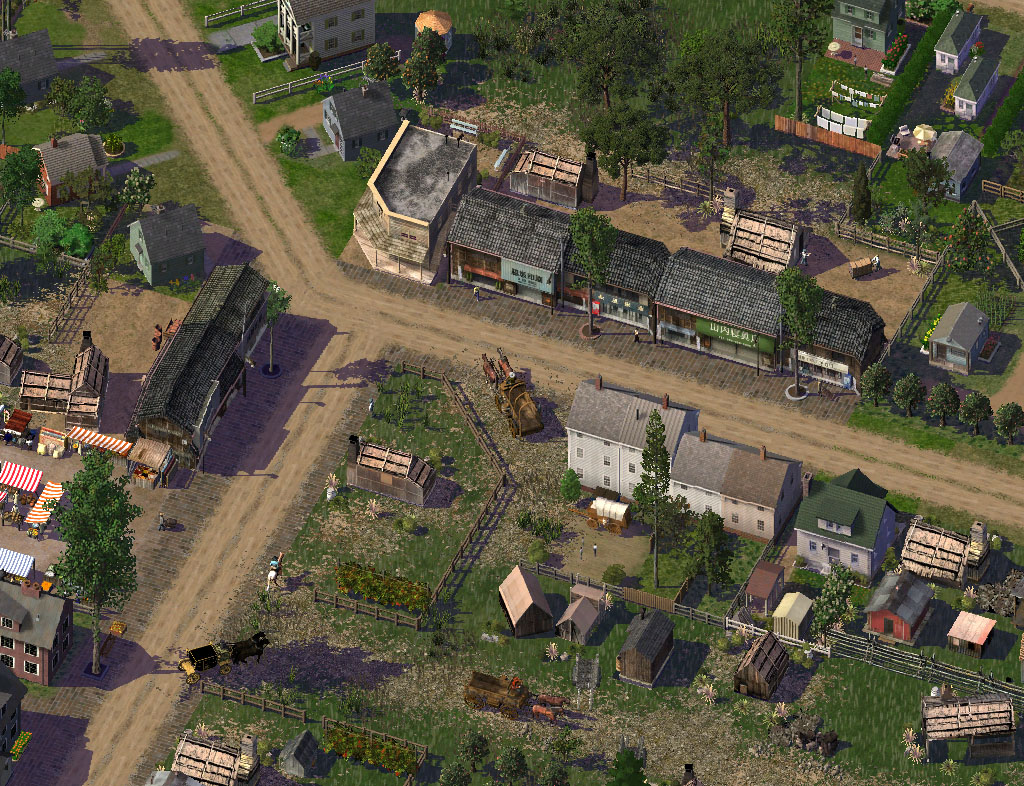
That same year, the Northern Pacific Railroad bosses embarked on a number of projects that would finally allow them to overtake New SorGun and wrest control of the regions riches for themselves once and for all. In an attempt to copy the success of New SorGun’s coal mining operation, the railroad began work on a spur line that would connect with a known coal deposit in the hills south of Steamer Bay.
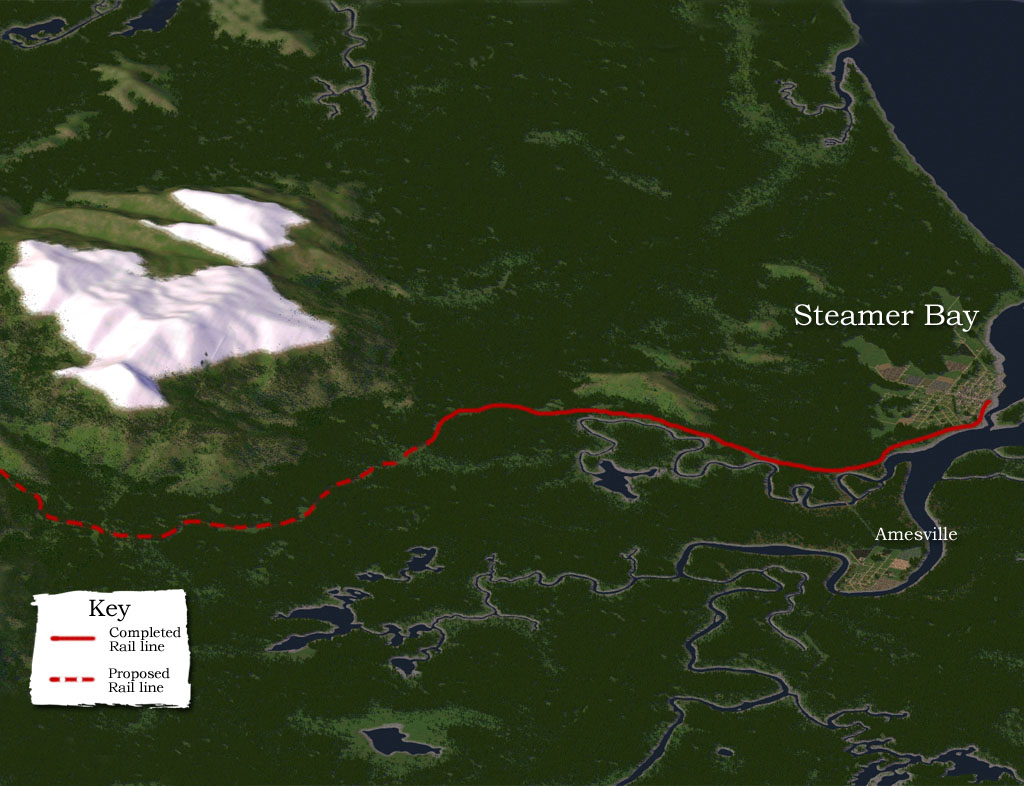
This was good news for Lee and the many other immigrant workers who were living in Steamer Bay, as it would guarantee steady work for many months to come. The mine was in its infancy, but the deposits that had been unearthed so far proved to be good quality coal.

Railroad construction was a hard, dirty and dangerous job, but the Chinese immigrants proved more than capable. Their punctuality, diligence, and good behavior put them in excellent standing with the Railroad bosses and construction foremen, although fellow Caucasian workers were not as tolerant. Despite the tension between the different groups of workers, construction of the railroad was progressing and by the spring of 1882 it was quickly snaking its way into the hills above Steamer Bay.
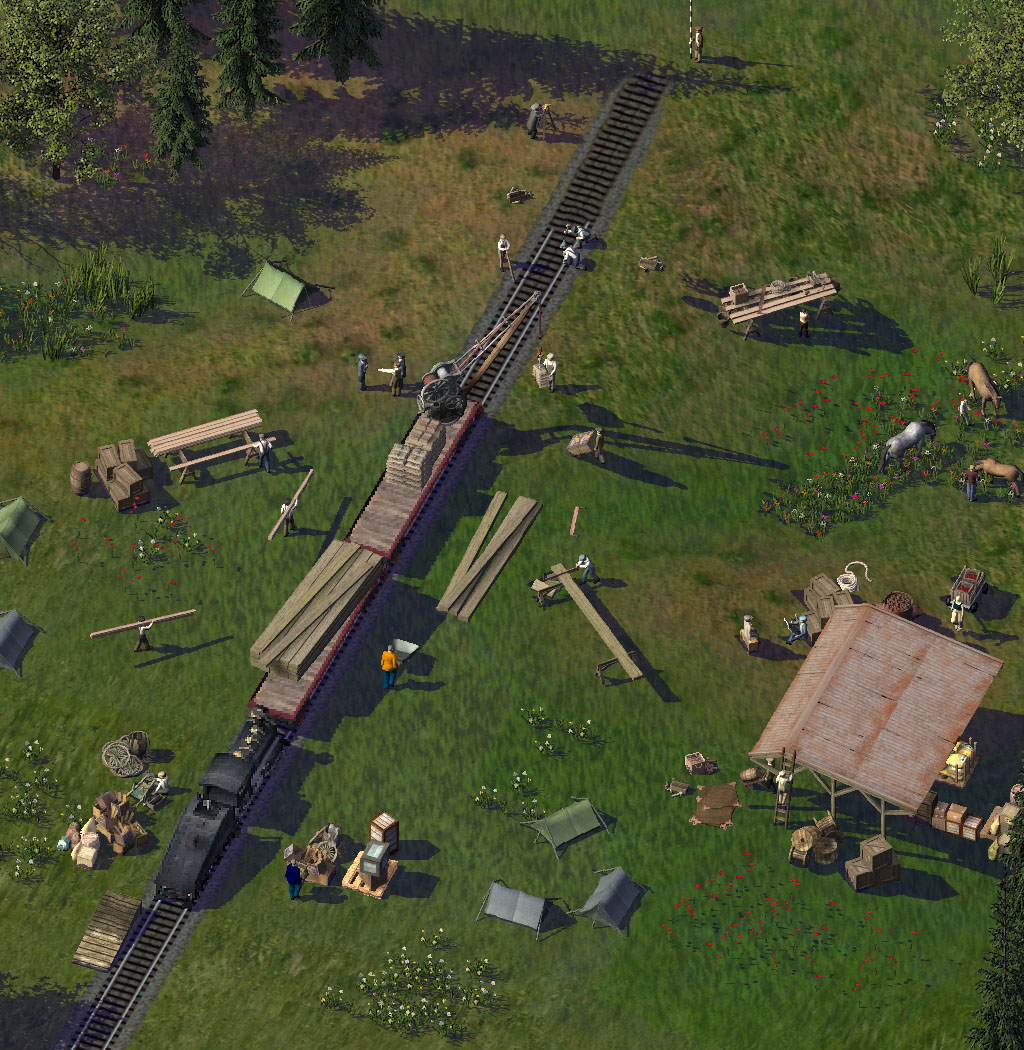
Lee spent his weekdays toiling on the new rail line, and on the weekend he would be back in Steamer Bay to rest and recuperate. At the end of each week, he would look out the window of his train arriving back into Steamer Bay and he would notice more and more commotion down by the water.
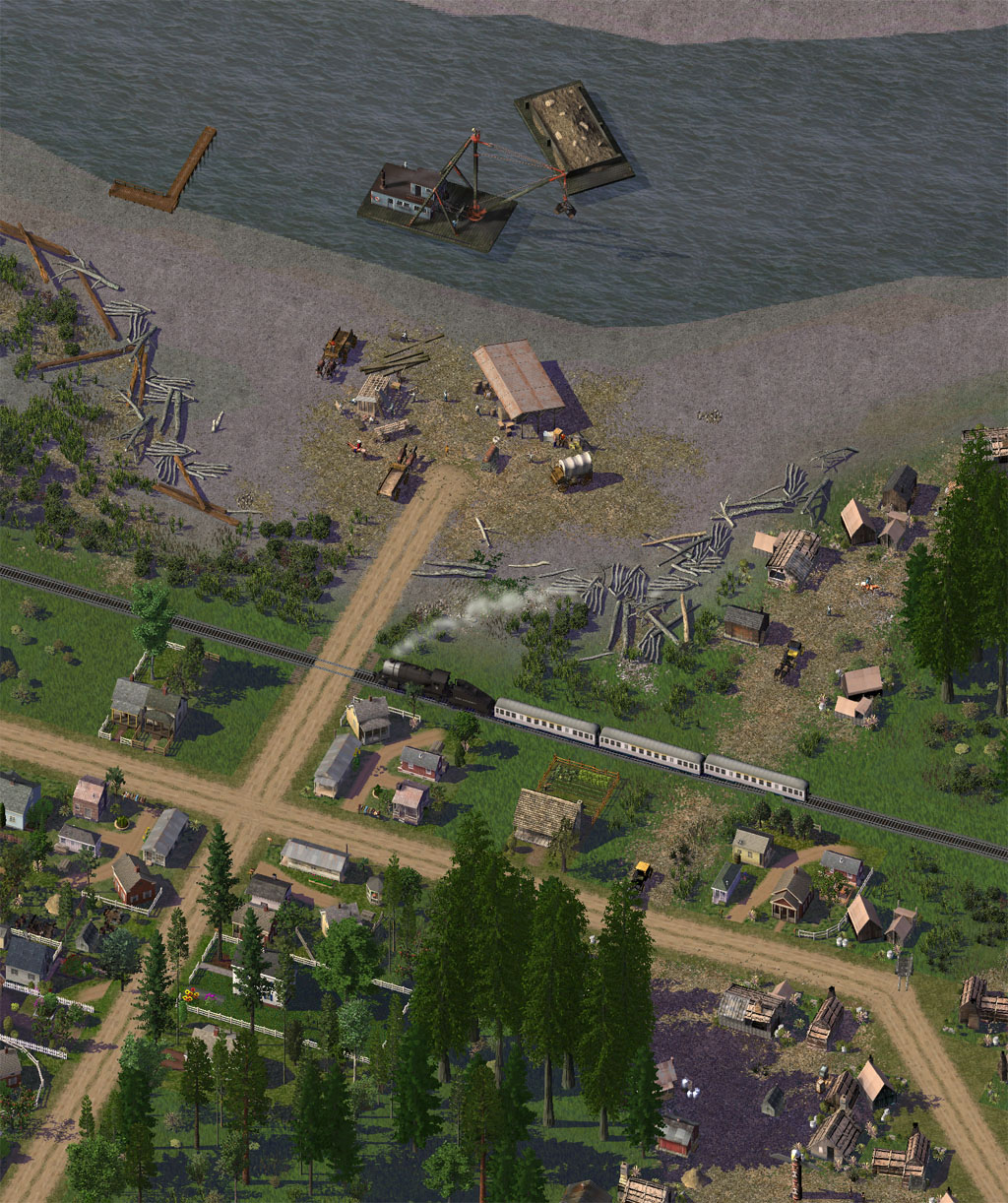
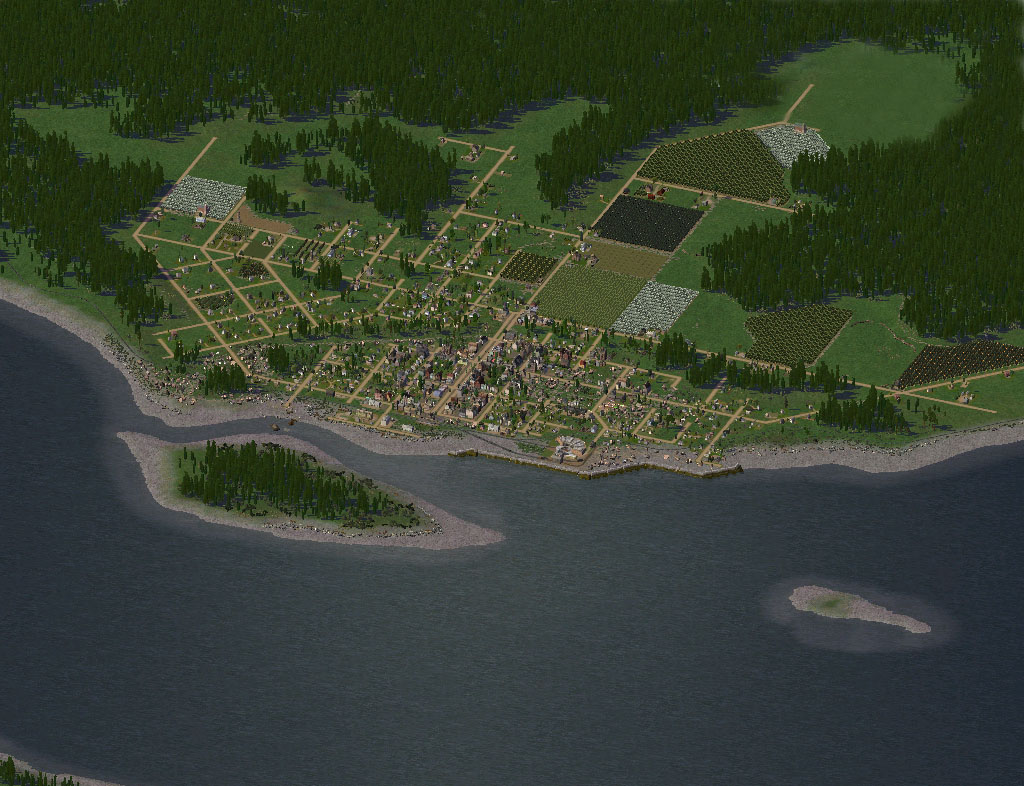
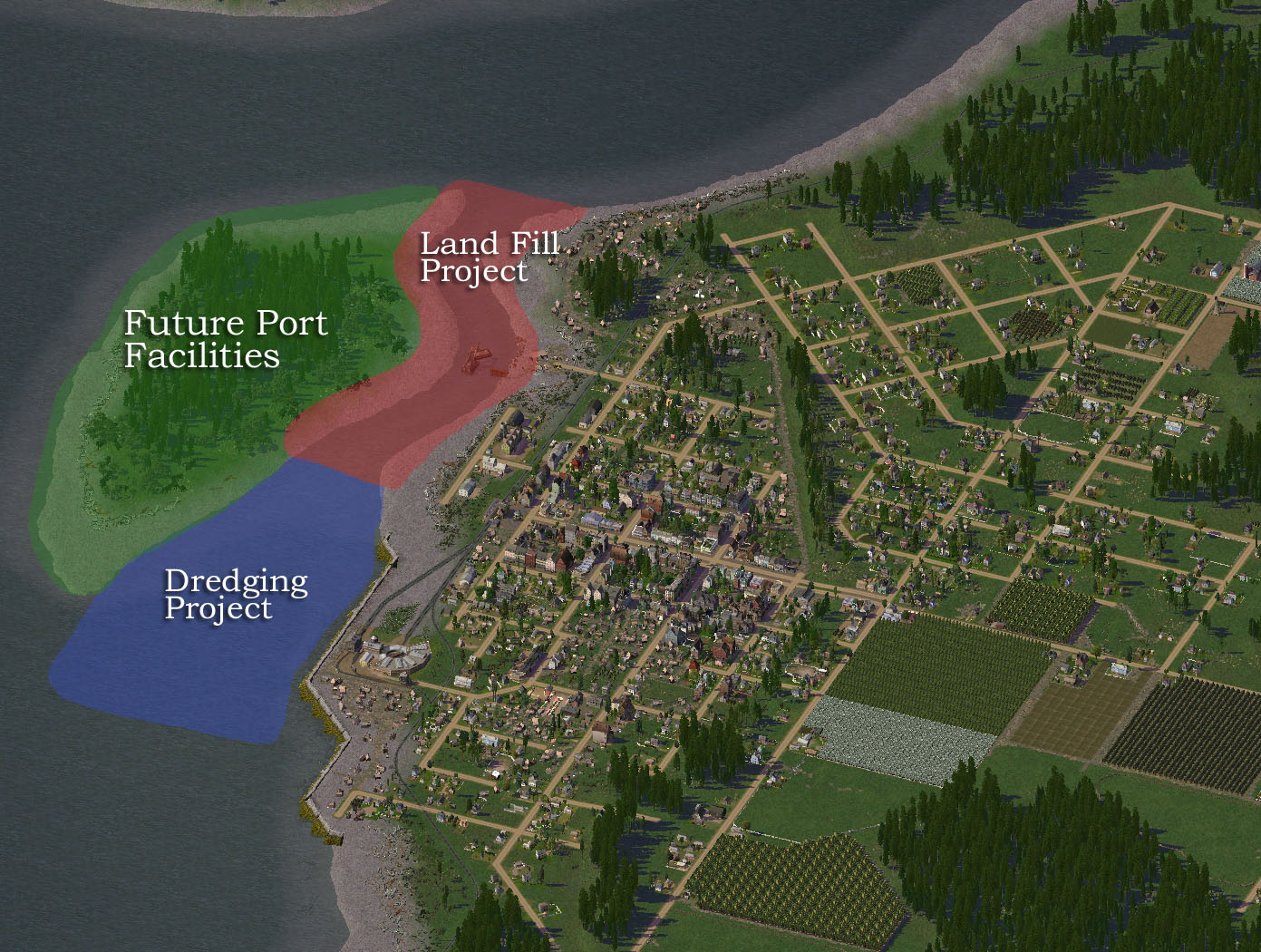
The railroad was pushing full steam ahead on an ambitious project to make Steamer Bay the premier port in the area. Heavy construction equipment was arriving daily, and work had already begun dredging the harbor to make it accessible to all seafaring vessels.
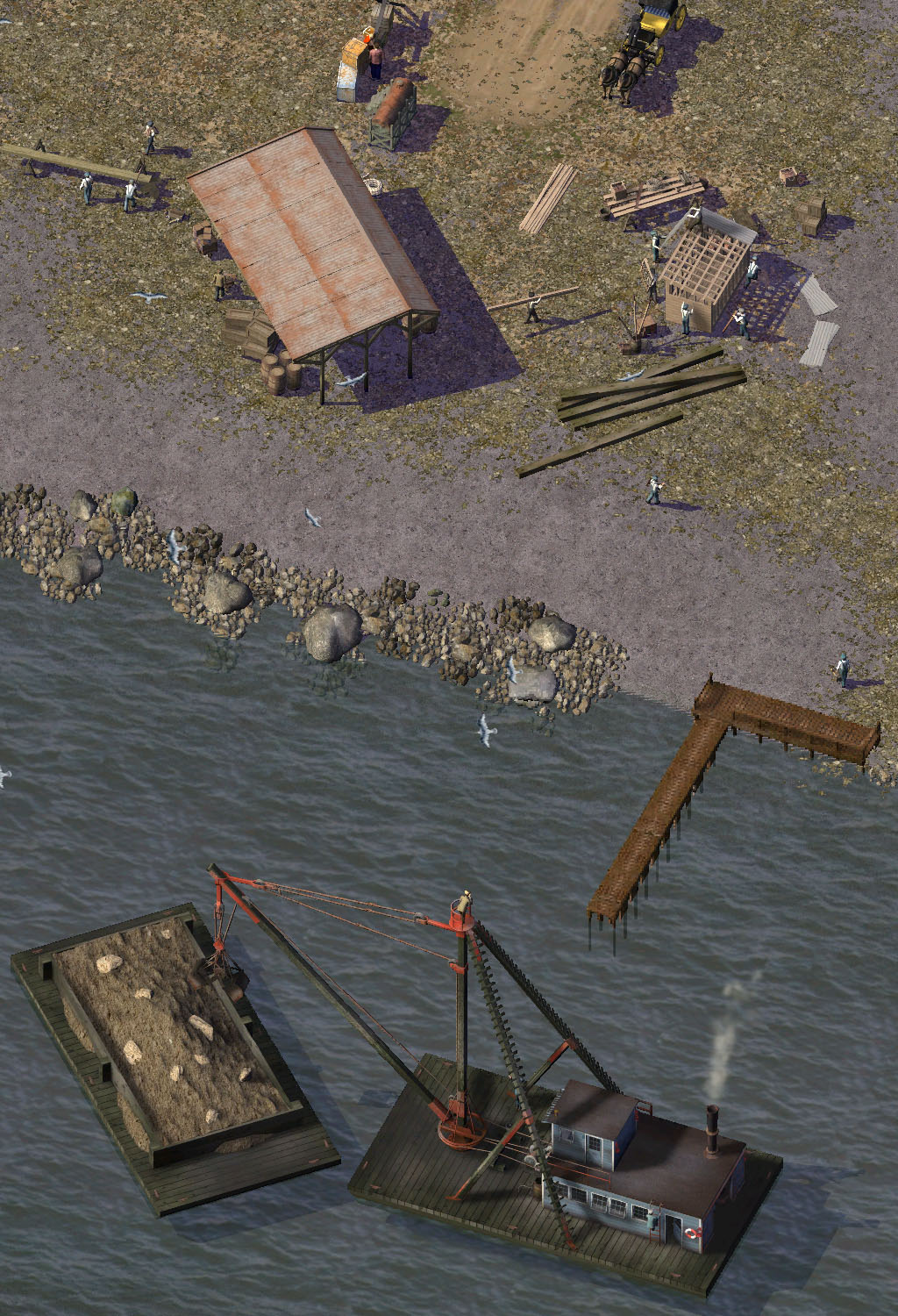
The ambitious plan would add acres of land to the waterfront and enable Steamer Bay to reach its full potential as the western terminus of the Northern Pacific Railway.
*1390x1050 - Click for full
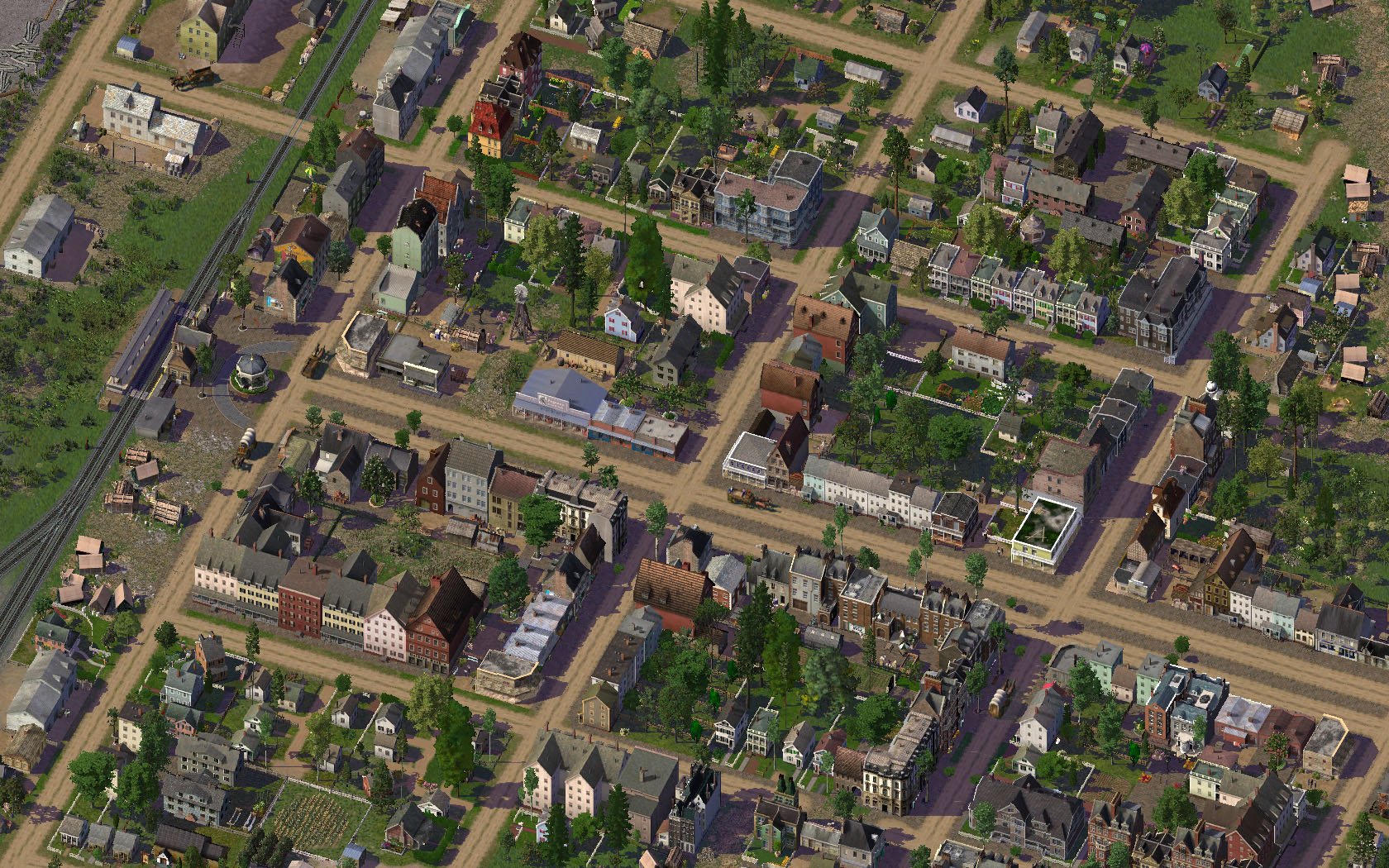
None of this mattered much to Lee, except that he was living in the center of the fastest growing towns on the pacific coast. There were opportunities abound, and it seemed like each day a new fortune was made somewhere in Steamer Bay.
*1680x1050 - Click for full
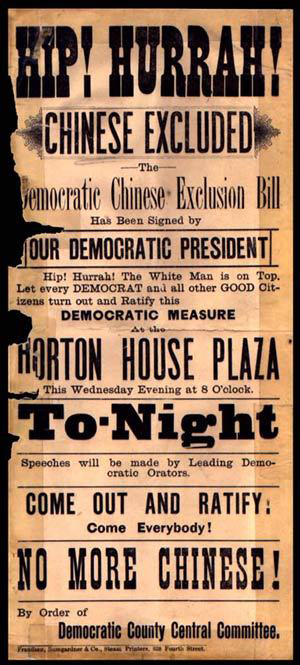
But all of Lee Shao’s dreams crashed into reality on May 6, 1882, when President Chester A. Arthur signed the Chinese Exclusion Act into law. Suddenly, federal law prohibited any Chinese laborers from entering the United States. Discrimination, which was always festering in the shadows, suddenly became the law of the land, further emboldening bigots and racist across the western United States.

Technically, Lee was a legal immigrant, along with hundreds of other Steamer Bay inhabitants who were of Chinese decent. But how would the white citizens of SorGun react to the new law considering there was already considerable prejudice shown towards those of Asian descent?
Meanwhile, half a world away, a man by the name of Gustave Eiffel was overseeing the final touches on a colossal statue that was destined for New York harbor.

Stay tuned..
-
 30
30


22 Comments
Recommended Comments
Sign In or register to comment...
To comment in reply, you must be a community member
Sign In
Already have an account? Sign in here.
Sign In NowCreate an Account
Sign up to join our friendly community. It's easy!
Register a New Account