


Say NO to Urban Sprawl

Date: February 20, G.Y. 2
Welcome, counsellors! Thank you for all your comments on our last post. We will consider your comments.
Sorry... I "lied" in my previous entry. Instead of discussing the northern end of the corridor, we will be discuss how we can combat against urban sprawl in this meeting. As you know, Watersauga is growing at a rapid rate. We are now searching for ways to accomodate these new residents, without excessively to sprawl into the countryside. Remember, we do not want to make the same mistake as North America did.
So without further due, your task is simply help the council decide what is the most suitable choice for the city. Questions that can help you to this task is highlighted in PINK (like this one)!
We have come up with 3 solutions, from the most desirable to the least desirable.
1) Rebuild / Redevelopment. Older parts of the city has either been reserved (for heritage purposes) or stayed without redeveloping. These parts of the city exist in low density form, and occupies a big area of land. Some areas, for example, like highway interchanges, are wasting land space. Should we demolish and redevelop these areas?
2) Reclamation. Imitating what cities in China and Japan have been doing, we can fill up parts of the Pacific Ocean within the current city boundaries, and have new redevelopments there. We have done this before about 70 years ago, when a massive portion of the Pacific Ocean has been reclaimed into land. This massive portion is now home to what is now our downtown, about 80,000 commercial jobs reside there. The concern is the environment. Is this the proper option?
3) Sprawl into the farmlands. This is not what we what. But if no other solutions are deemed possible, this is what we would do.
4) Do you have any other ideas in mind?
SOLUTION 1 - REBUILD / REDEVELOPMENT
So before we discuss this option, we want you to keep our SMART GROWTH technology in mind. We started to adopt this technology about 80 years ago. During this 80 years, our urban area size increased by 17%, but on the other hand, our population grew by a whopping 300%. Smart Growth does make a difference.

Figure 1.0.1 - Our first smart growth community, built about 80 years ago. Of course, the density has been increased from medium to high in the recent years. Notice that all ammenities are within walking distance. We encourage residents to either walk or take transit. In walking distance, you see parks, library branch, schools, police station, hospital, commercial areas (used to be shops, but redevelop several years ago). If a resident must travel outside the community, the area is served by 3 subway lines / rapid transit and bus routes.
1.1 - A real case recently
In late G.Y. 1, we noticed that a blotch of high-tech industrial land in the extreme northern end of the city was abandoned (as they could not find enough employees to work at their plants). We decided to dezone the area, and redevelop into another smart growth community.

Figure 1.1.1 - Before the redevelopment. Notice the abandoned high tech industrial area.

Figure 1.1.2 - New development. It took about a year for the community to completely flourish. Some of the residential developments exist in a density lower than what we expected, but it should be re-developed into higher density residential complex later on. The community is currently home to about 3,000 residents. As you can see, all ammenities are within walking distance, clinic, community school, train station, bus, and parks (shops are also in walking distance but not in the picture). Thru traffic is also discouraged to ensure transit usage.
1.2 - Ways to save space (Redevelopment)
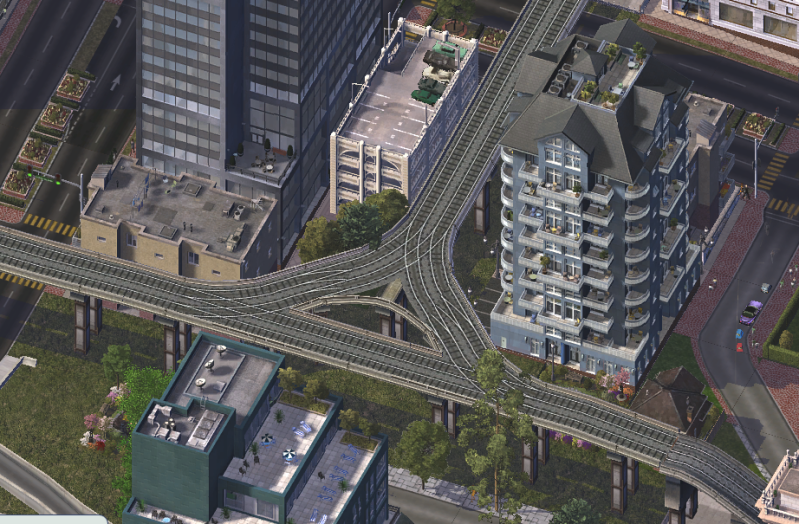
Figure 1.2.1 - Elevated rail interchange. This elevated rail section was among one of the busiest rapid transit line in the city (now overtaken by the new subway line built about 10 years ago, just one concession road south of this alignment).
The rapid transit line is now considered as a waste of space. Should we demolish the line and surrounding area, and redevelop it into higher density housing?

Figure 1.2.2 - An older style train station. The train station has among one of the highest usage of the heavy rail line, spanning across the top of the city. But it is considered as a waste of space, spanning 3 x 2 tiles.

Figure 1.2.3 - We have replaced the older train station with an on-track train station. We saved a lot of space, as well as bumped up the total capacity of the train station. The concern is, the new train station has no indoor building. How can we manage the number of passengers? Wouldn't this pose an inconvenience?
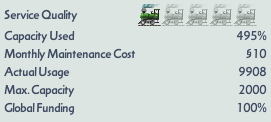
Figure 1.2.4 - The usage of the above mentioned train station. It is severely overcrowded, at 495% of the capacity. We have already added two train stations nearby, but the capacity remained at around the same level.

Figure 1.2.5 - The aforementioned new train station to relieve the stress of the older one.

Figure 1.2.6 - These intechanges are also considered as a waste of space.

Figure 1.2.7 - These interchanges are deemed to save more space. However, they can't deal with as much traffic as the proper interchanges. They sometimes cause congestions too. Which option should we use?

Figure 1.2.8 - Ah. Movie Studios. True, they bring tourisms and everything. You might also spot a few stars on the streets. But, do they have practical uses? They are believed to be a waste of land. Should it be relocated and be redeveloped?

Figure 1.2.9 - Like we mentioned before, some of the older communities exist in low density. They preserved our heritage and reminded us about our past. (The toll booth there is to discourage thru traffic, as the road is too narrow to handle high traffic). But should they be kept? Should they be demolished and redeveloped into high density zones?
SOLUTION 2 - RECLAMATION
We have done this before. It's not our first time.

Figure 2.0.1 - This community (look at the housing along the road) is named Baie D'Coeur. The first subdivision built in Watersauga about 150 years ago. They are kept, untouched until today (though one house is demolished for a subway station). This used to be the shoreline of Old Watersauga. Anywhere south of here was plain ocean, yet about 20% of our population and 90% of our commercial jobs are south of here.
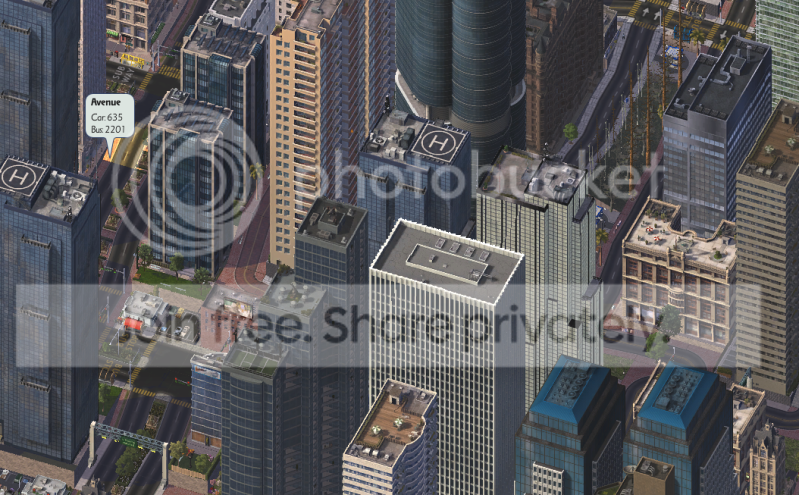
Figure 2.0.2 - This is posted in one of our previous entries. However, ALL OF THIS that you are seeing are located on reclaimed lands. It used to be a part of the Pacific Ocean.
2.1 - Proposed Reclaimed Site

Figure 2.1.1 - We are planning to fill this bay in for future developments. If we do fill this bay in, we will receive more land for about 10,000 extra residents and about 10,000 extra commercial jobs. Land is good. But the thing is, it's not good for the environment. Should we do it?
SOLUTION 3 - URBAN SPRAWL
Not what we want here. But if nothing else deems possible, this is the way out.
Currently, farmland account to about 40% of our land. If we do the math properly, and if we develop all the farmland into residential housing, we could potentially double our current population. Is it worth it?

Figure 3.0.1 - Imagine this piece of farmland, 100 years down the road. Will this piece of farmland be home to thousands of people?
SOLUTION 4 - YOUR OWN IDEA
So counsellors. Got a great idea in your mind to stop urban sprawling? Post a comment below. All counsellors here will be glad to explore and discuss your ideas. Remember, you may actually save us from urban sprawling!
-------------------------
SOLUTIONS AND CONSTRUCTIVE COMMENTS ARE APPRECIATED! THANKS!
That's it for the 5th meeting! Please be prompt for the next meeting!
Regional Chair
Next Up: As the Highway Gets Closer to Elgin Mills... >>
(This topic will definitely on in our next post. Stay tuned!)
------------------------
P.S. Oh no, you guys can actually start rating me from the next entry. Please don't judge me on the graphics, please! Thanks all!
I want to get a high rating for the CJ... 


4 Comments
Recommended Comments
Sign In or register to comment...
To comment in reply, you must be a community member
Sign In
Already have an account? Sign in here.
Sign In NowCreate an Account
Sign up to join our friendly community. It's easy!
Register a New Account