


An Introduction and History of Mesias


The Republic of Mesias
La Republica de Mesias
Official Language: Spanish
Government: Democratic Republic (technically speaking)
Presidente: Jorge Cortona (2006 - Today)
Independence: from San Pedro: 1873
Currency: Coronita (Ca$)
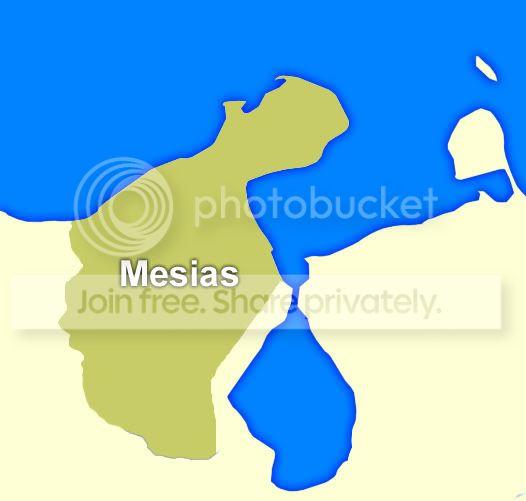
Originally discovered by famed San Pedro explorer Ignacio Jimenez, humans have lived in this area for millions of years. The first civilization (and really the only ancient one) was formed in about 200 BC and lasted until the arrival of the San Pedrans, at about 1521 AD. The Natives and Pedrans didn't necessarily coexist well. Although the colonial governers and tribal leaders made deals with eachother, it would always end with violence. The climax of this all was when the conquistadors rampaged the largest native city. Accounts from missionaries state that the conquistadors were brutal. The missionaries in Mesias threatened to leave because the conquistadors were ordered to "commit mortal sin with native women" which lead to the end of conquistadors and instead soldiers from San Pedro under the king's command.
In 1689, Spain began trying to expand into Mesias' territory, expanding from Nueva Grenada. This nearly caused a war as San Pedro saw it as a form of aggression. A couple decades later in the 19th century, Mesias joined with the other South American countries and stood up to the empire that had them under control, under the command of Eduardo Duruelo, who would also become the first president of the country.
The name of the country comes from the spanish word mesías, meaning "Messiah", a Judeo-Christian reference, made by heavily religious San Pedrian explorers. The name was quite appealing to Jewish immigrants who felt that it connected with their belief in the arrival of a Messiah in the future.
One village/town in the Colonial Heartland area is Cisneros, which I already showed but I might as well show again:

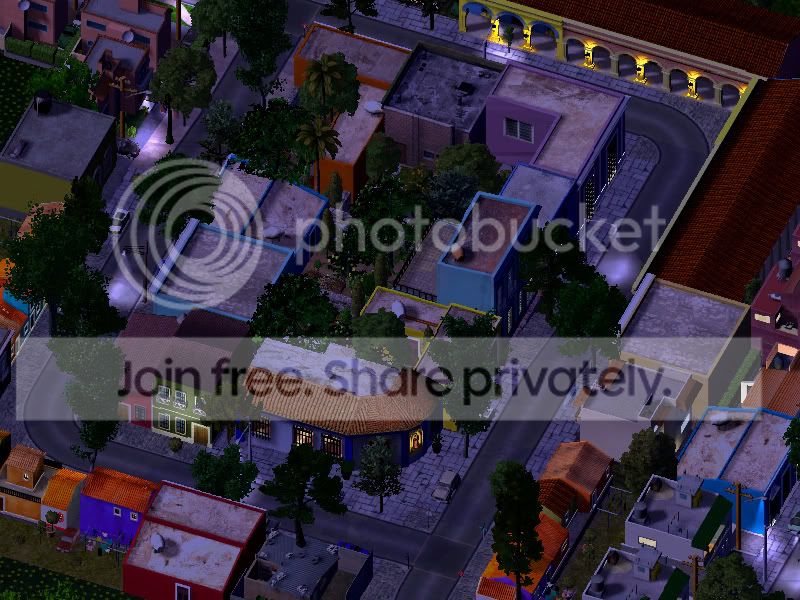
The streets are almost empty at night. This is because many of the smaller villages have strong conservative values and it is considered taboo to roam around at night alone. This is the complete opposite of San Pedro, where people party all night at tapas bars.

The town of Ascension was founded by San Pedro conquistadors on a search for gold. Discouraged, they decided to settle here so they could build mines to search underground.
This town is also famous because the cathedral still holds an old holy relic from a San Pedro church that was completely leveled after the earthquake in the 1700's. The relic, which is a ring worn by a 10th century saint, was moved here to protect it from looters and people who might steal it.
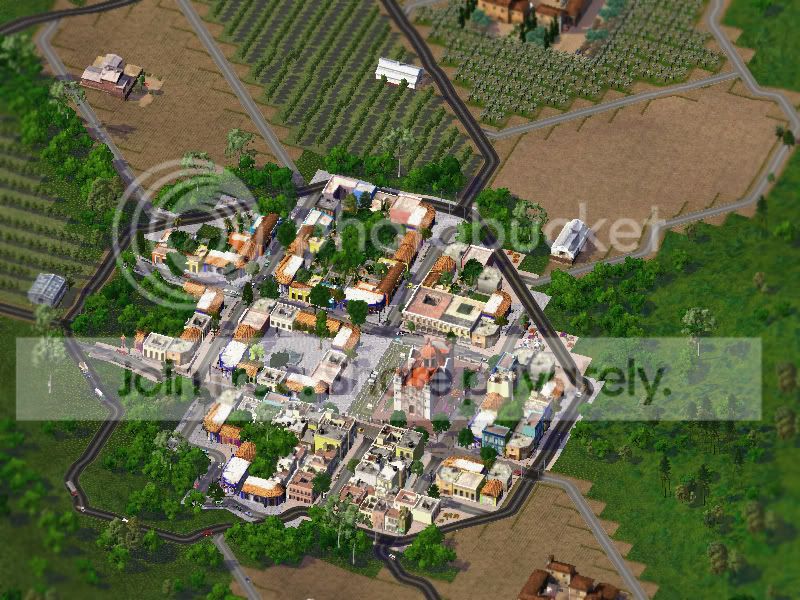
The town is quite small, and yet it is a very vivacious one. Every year on Easter there is a huge fiesta where people wear colorful dress and dance in the streets. There are also many wonderful streetside cafes and some restaurants that make really good Mesian food.
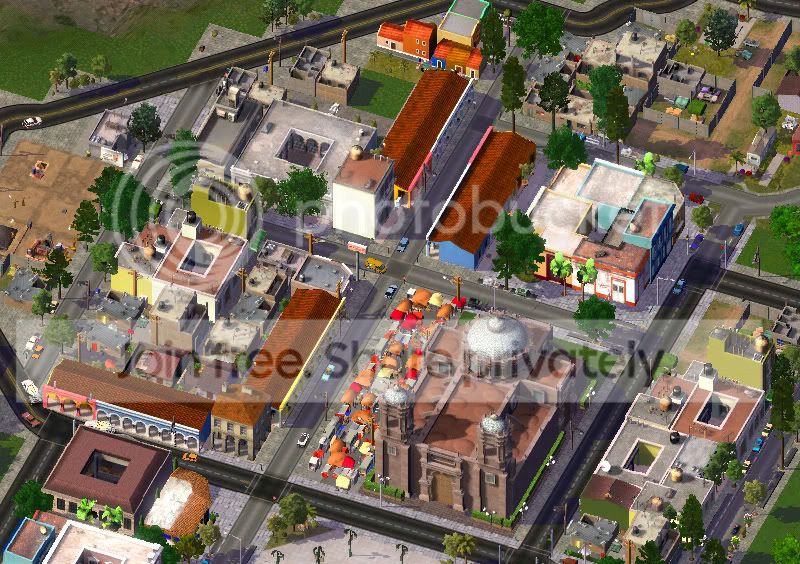
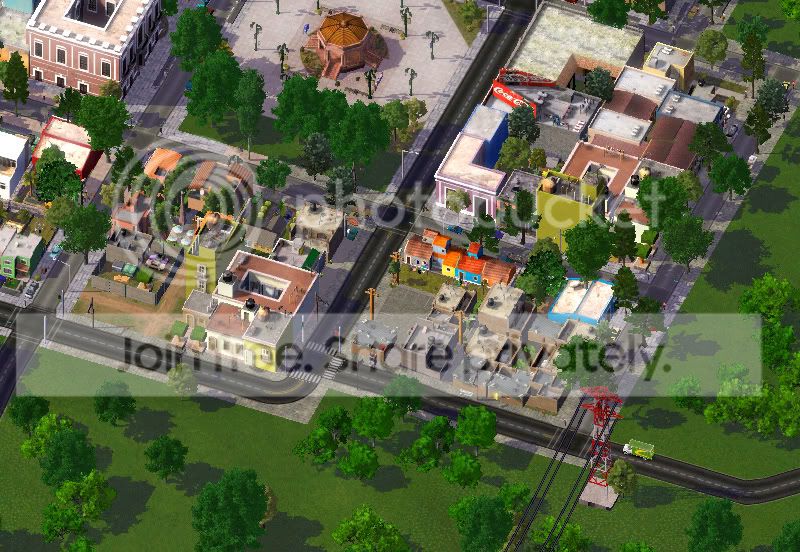
Nuevo Alvarez is a small town built along the sub-semi-tropical-arid-idkwhattheheckitscalled climate of the Guajira peninsula. In the center is the Plaza Zocalo with the Cathedral of San Xavier dominating the town. The town is relatively poor, and most of the money comes from rich American tourists, so you can be sure that the DVDs at the market by the Cathedral probably aren't very legit 
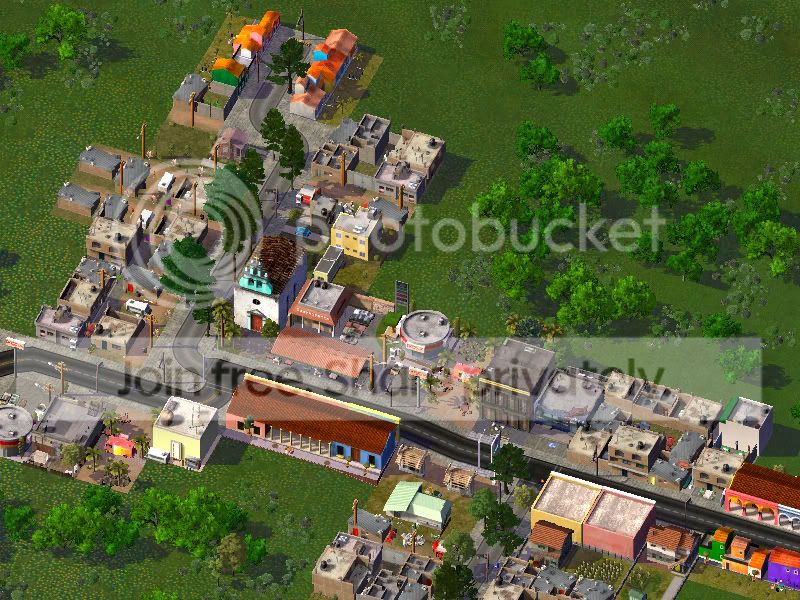
Farther up at the very northern tip of the peninsula is the native village of Jurubá. Most of the people who live here (about 98%) belong to the native Guajiran tribe. The other 2% are white protestant missionaries who have miserably failed to convert the people. Most of the people of Juruba practice religious syncretism, which is essentially giving their old ancient gods the appearance of Catholic saints, which was done so that they could practice their old religion without the Europeans knowing. Unfortunately their beliefs are criticized by both sides of Mesian politics; the Conservatives say that they are practicing idolatry while those on the Far-Left think they're a bunch of crazy fanatics.

Another native town is Guasápatu. This town however is more cosmopolitan and modern than Jurubá. The main industry here is fishing and there are quite a few family-run seafood cafes.

The largest town of the Guajira peninsula is Trinidad, located near the town of Guarero. The town has many beautiful old colonial buildings and an old cathedral. This town grew very large from the sale of exotic crops to the San Pedro Trading Company, and became a hub of agricultural trade.


4 Comments
Recommended Comments
Sign In or register to comment...
To comment in reply, you must be a community member
Sign In
Already have an account? Sign in here.
Sign In NowCreate an Account
Sign up to join our friendly community. It's easy!
Register a New Account