


Thorshafen - Where it all began


Thorshafen is situated on the northwestern tip of the Kreutzberg Peninsula. Archeologists have found traces of Viking settlements in Thorshafen that dates back to around 900 AD, which makes the city the oldest in the county. Historians believe that the name of the city comes from the Norse "Thórshafn", which essentially means Thor's harbour. According to Norse mythology, Thor was the god for protection of mankind. It is believed that Thorshafen's role as an important pit stop for the Vikings on their journeys between Scandinavia and the rest of Europe, influenced the Vikings to rename their settlement after this god. Also, the shape of the land on which Thorhafen is situated, resembles a hammer. This could have been inspirational for the Vikings as well.
During the second world war, Thorshafen once again became an important harbour city. During the occupation of Axis forces, the city's calm bays proved to be an important place to seek refuge before patrolling the North Sea and the English Channel. Due to this, the city suffered from heavy bombing by Allied air forces, leaving the city more or less in ruins. One of the oldest buildings still standing is Thorshafen Fire Station, seen in both the header and in the picture below.
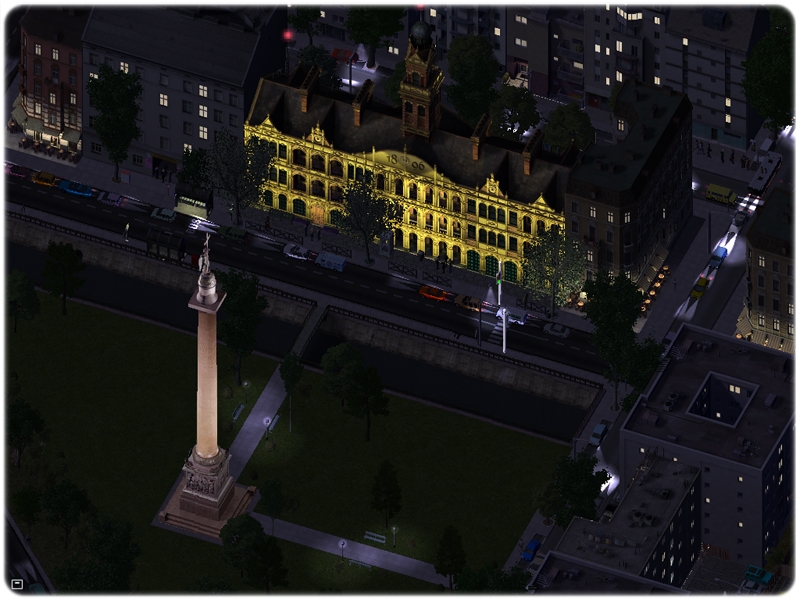
The City Hall is only a few years younger than the fire station. Being built close to the harbour, it was nearly destroyed by Allied bombs. Today, in addition to housing the City Council, it also serves as a museum of the city's history, with exhibitions of archeological findings, Viking household items and more.
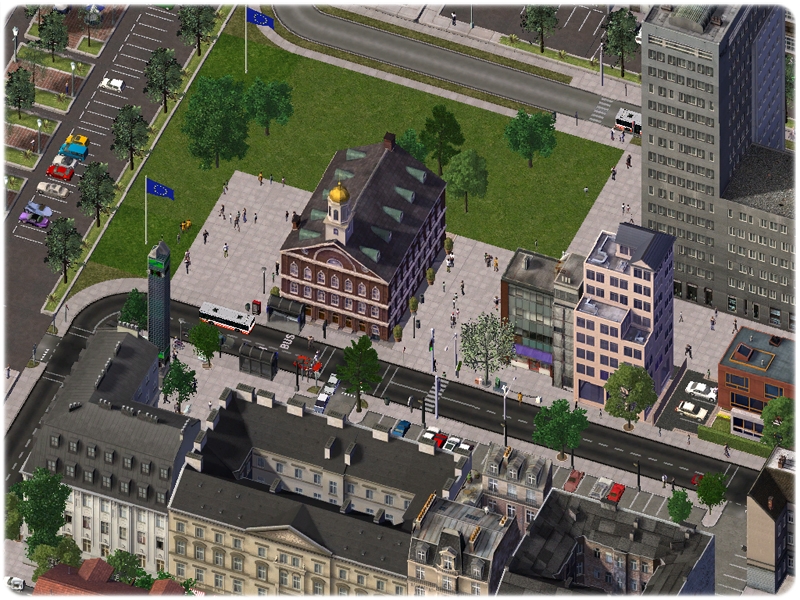
Almost every European city, even most villages, have a church. This is Thorshafen Dome, completed in 1860. Traces of a church at this location traces back to 1100 AD, and religious ceremonies have taken place at this location ever since the Viking age.
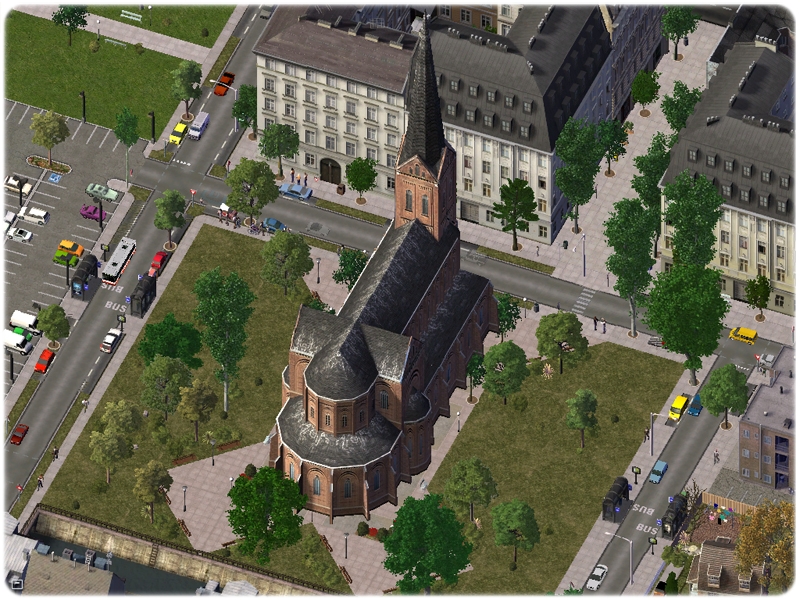
After the war, the rebuilding of the city and the lack of architectural planning, has resulted in a wide diversity of styles throughout the city. Probably the most eye catching buildings are the Harbour Hills Housing Project, initiated by the City Council in the sixties. Advertised to potential buyers with the slogan "You'll never find a view like this!", referring to the outstanding view of the harbour, the critics used the slogan sarcastically about the appearance of the buildings.
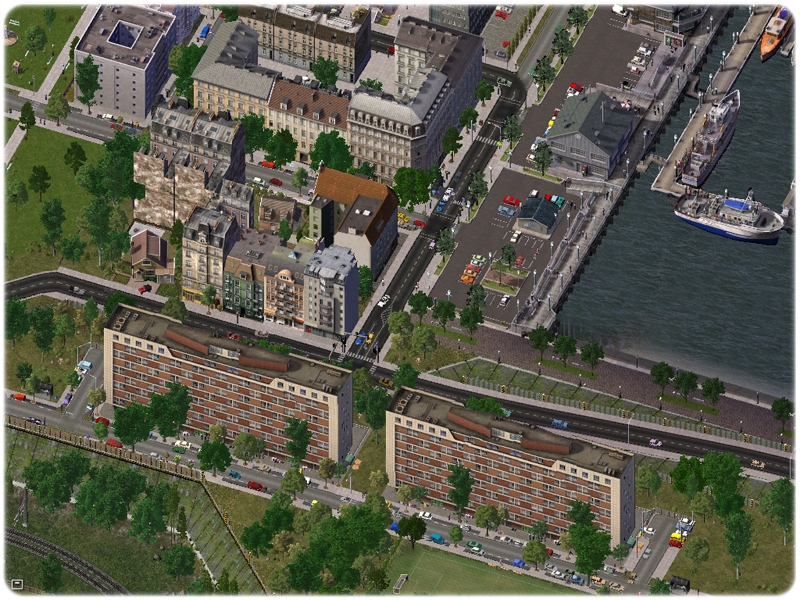
Most of the industrial harbour has now been moved out of the city center. Still, Thorshafen is an important city for distribution of goods.
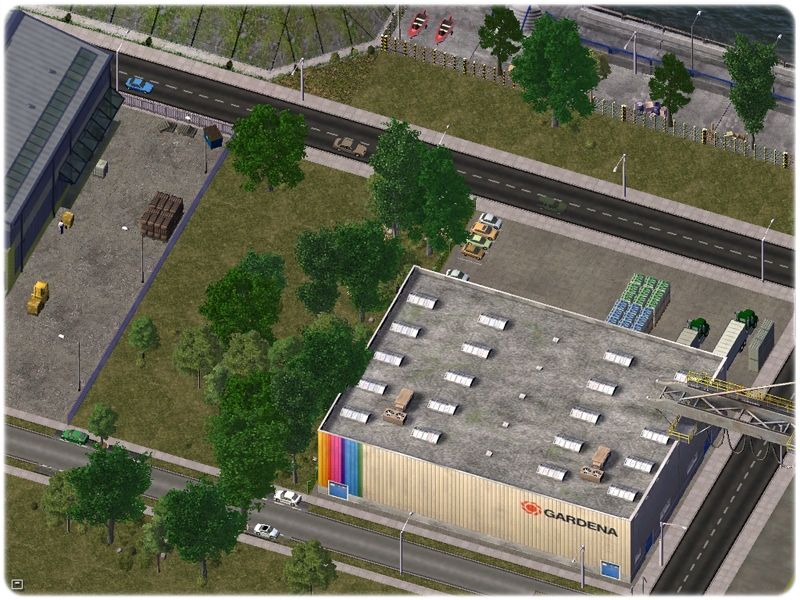
A lot has changed since the Vikings ruled the shores of Thorshafen. Nowadays, most people don't come to Thorshafen with boats, but by train or car. Thorshafen is the end of the motorway B-11, and the rail station is the terminus of the West Kreutzberg Line. If you want to stay on the train for the whole Kreutzberg tour, you can also follow the Kreutzberg Ring to the east and back to Victoria.
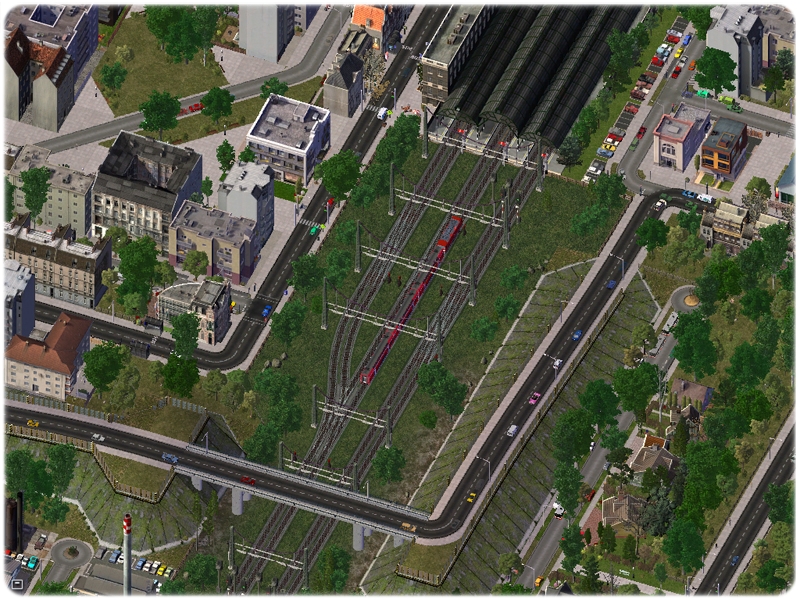
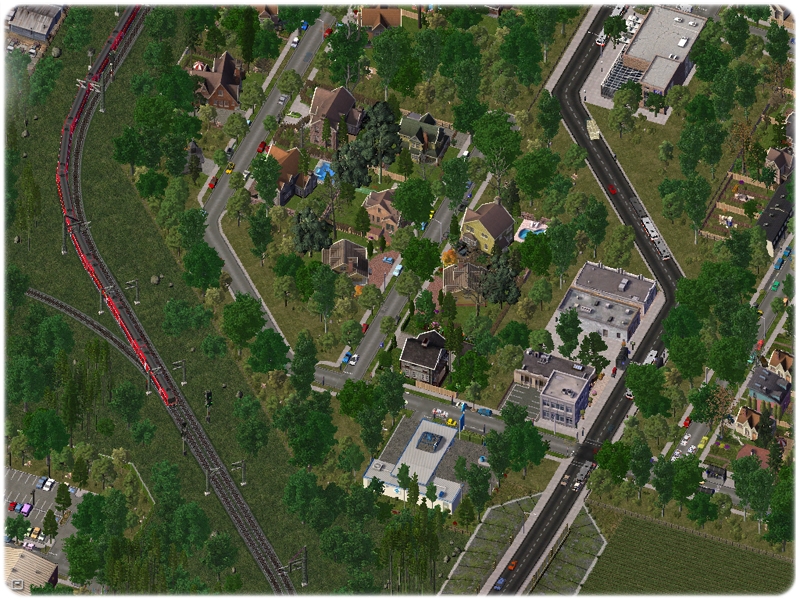
Typical for the West Kreutzberg Line is long hauls with lots of commuters heading south for Kempler and Victoria. Originally the trains were fitted with double decked carriages to serve more passengers without making the train too long for the shorter and older platforms. Over the years, the number of commuters have increased insanely, leaving no other options other than adding more and more carriages. This is the late morning commuter train making it's way south through the Thorshafen suburbs.
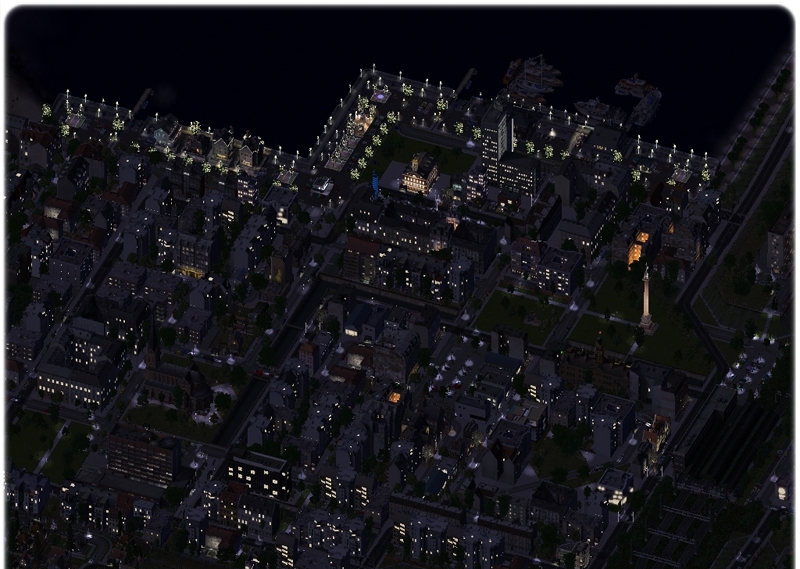
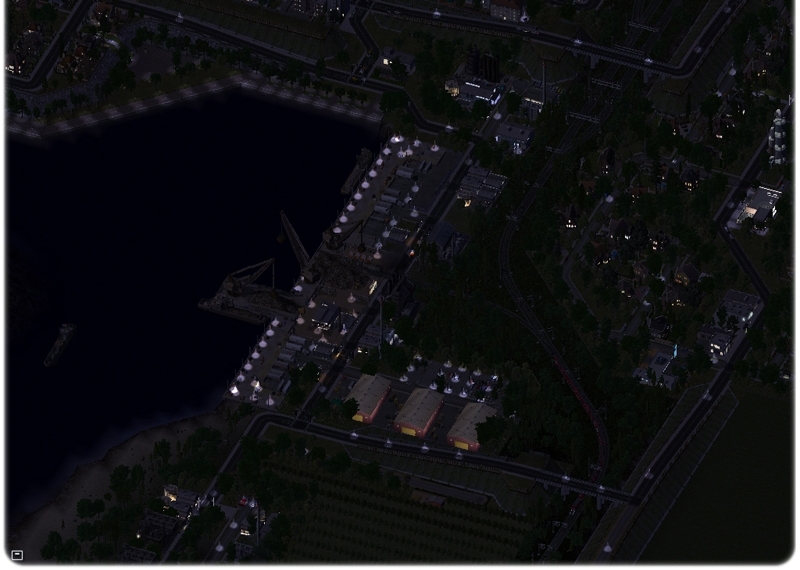
I'll leave you with a night shot. Hopefully you've seen enough to visit Thorshafen once again in the future?
All the best,
- Eivind


9 Comments
Recommended Comments
Sign In or register to comment...
To comment in reply, you must be a community member
Sign In
Already have an account? Sign in here.
Sign In NowCreate an Account
Sign up to join our friendly community. It's easy!
Register a New Account