



Chapter 12: The Road to Albatross - 1822 to 1824

Jul 1822: The frontier town of Albatross continued to grow along the Windsor River, as cheap land attracted new settlers from nearby Hudson and Windsor. The ferry services struggled to keep up with the demand, and so, as promised, a new road was proposed to link Albatross to the greater road network. There was, however, one slight problem. Albatross had been settled on the North bank of the Windsor River, whereas Hudson and Windsor were settled on the South bank. A bridge crossing the mighty river would be required. The services of experienced civil engineer and pioneer explorer Rowan Oakwood were requested by Governor Bowman. A meeting at the new Governor's residence in Windsor was convened and several options were discussed:
1) a bridge at Albatross with a road to Hudson along the South bank of the river;
2) a bridge at Hudson with a road along the North bank of the river; and
3) a bridge just north of Albatross with roads on either side linking the two towns.
An open tender was sent out to local construction firms for the route of the new roadway and design of the bridge. One critical condition of the tender was that the new bridge must be designed so that ferry services remain un-interrupted during construction.
Oct 1822: After receiving multiple tender submissions, ultimately the submission by Ernest Silverton of Silverton Steel was selected as the winning tender. Mr Silverton's design included a steel truss bridge, which he would pre-fabricate in short sections at his workshop in Kewel and transport by road to the bridge site, just to the north of Albatross. Locating the bridge away from the two towns would minimise costs associated with purchasing the land required for the large embankments for the new bridge approaches. The project was expected to be completed within 18 months.
Jan 1823: The first section of road was completed between Hudson and the new bridge site to the West. A small worker's camp was established on the Hudson side of the river to house the construction workers, and earthworks for the large embankments commenced.

Feb 1823: The second section of road was completed between Albatross and the new bridge site and earthworks commenced on the embankments.
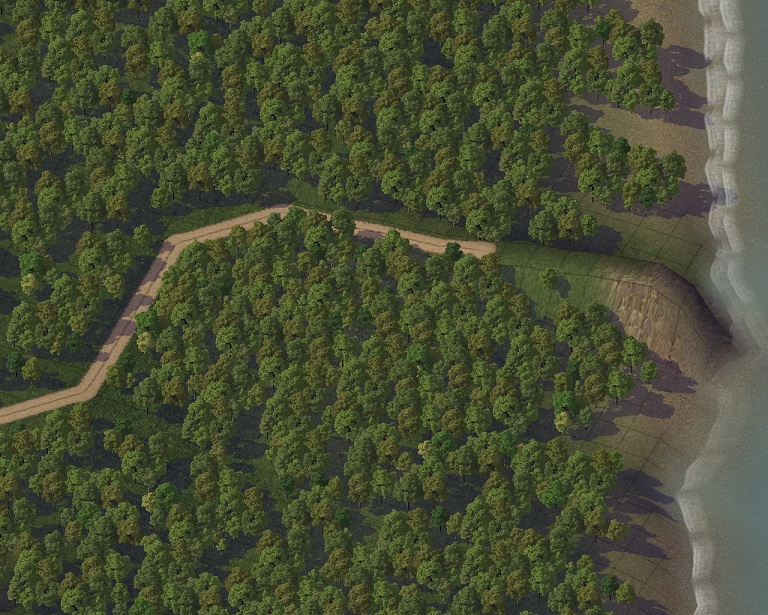
Jul 1823: After 6 months of construction, the bridge abutments on either side of the river were completed, and sections of pre-fabricated steel trusses began to be lifted into position. As fabrication of the trusses had commenced upon award of the tender, most sections had already been completed, saving time on the major construction project.

Feb 1824: The final section of bridge deck was laid on the new steel truss bridge crossing the Windsor River two months earlier than expected. The new bridge was proudly opened by Governor Bowman, who had delivered on his promise, and an early completion bonus was awarded to Silverton Steel for their successful delivery of the project.

Apr 1824: The small workers camp near the bridge formed a permanent settlement along the new route, named Mannering, in memory of Roger Mannering who had tragically lost his life during the construction of the bridge. The bridge was also named in his memory and The Roger Mannering memorial park was opened in the town.


-
 1
1


2 Comments
Recommended Comments
Sign In or register to comment...
To comment in reply, you must be a community member
Sign In
Already have an account? Sign in here.
Sign In NowCreate an Account
Sign up to join our friendly community. It's easy!
Register a New Account