


Building a Small Capital - The Town of Engelberg

Which fraction should modernize or build a town in the next update?
3 members have voted
1. Preparations for future development
The Council of the Egalitarian Community decided to implement “plan blue” – modernizing the town of Engelberg and connecting it with the town of Solidarity. But the Council also decided to build a domestic construction industry to reduce the costs of future development. Several projects had to be finished first in the town of solidarity.
A large construction headquarter served as the central hub for various vehicles necessary to build new projects.

The workers begun constructing a group of small homes

It is harvesting season

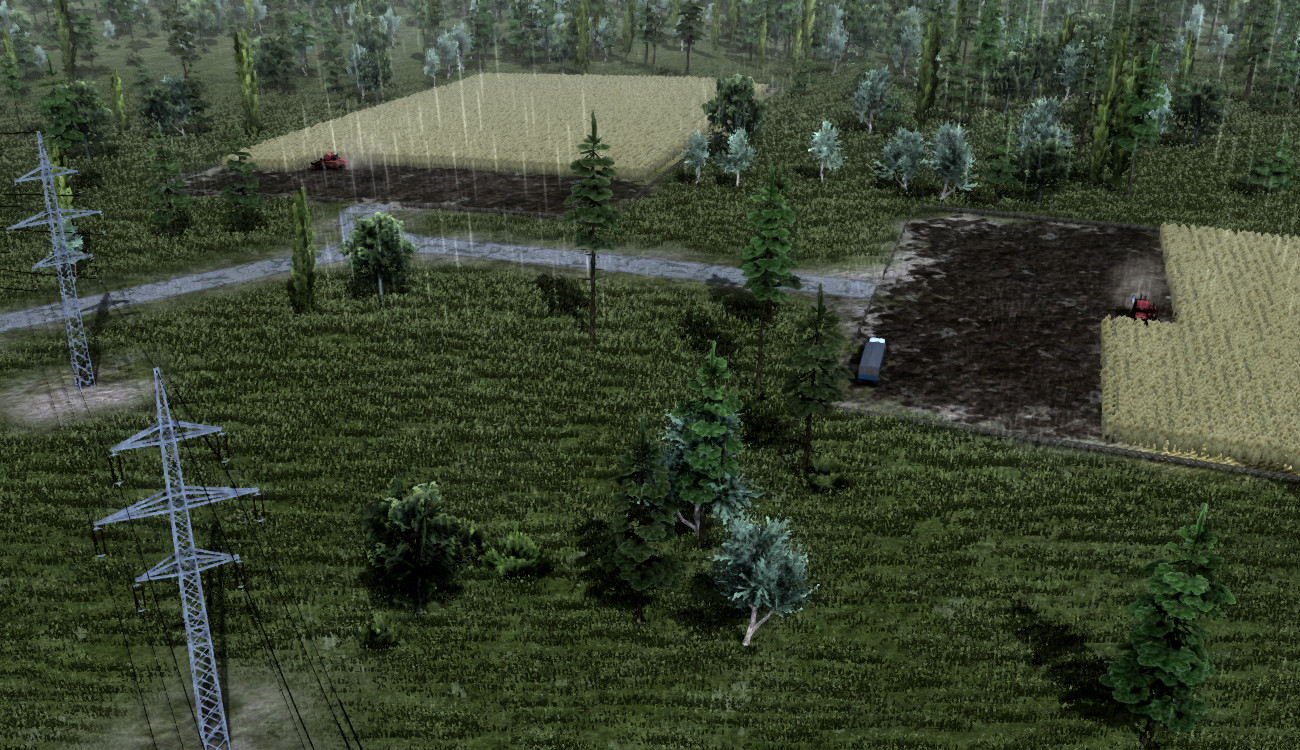
The number of cows reflected the success of local agriculture

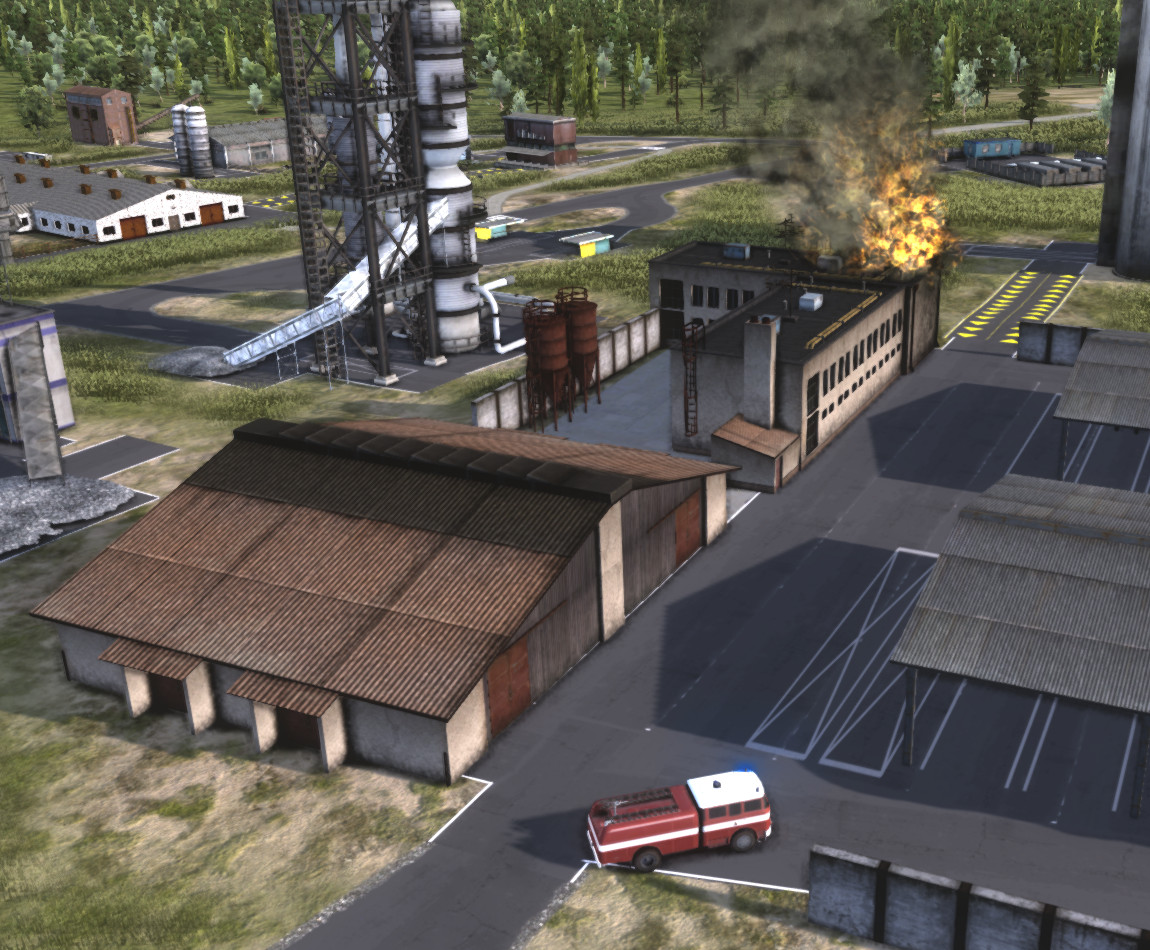
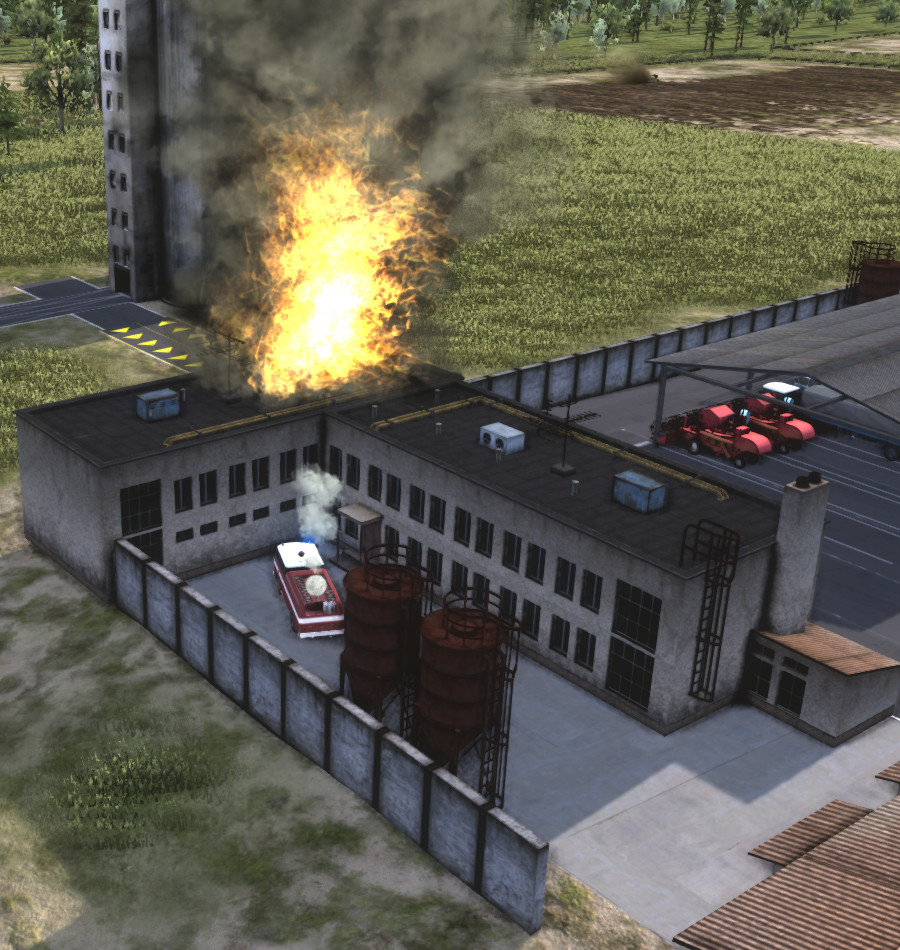
A fire threatened the large farm, but a fire truck arrived in time
Since traffic jams blocked the inner town, a bypass road was constructed around the settlement

A brick factory was the next step for more self-sufficiency
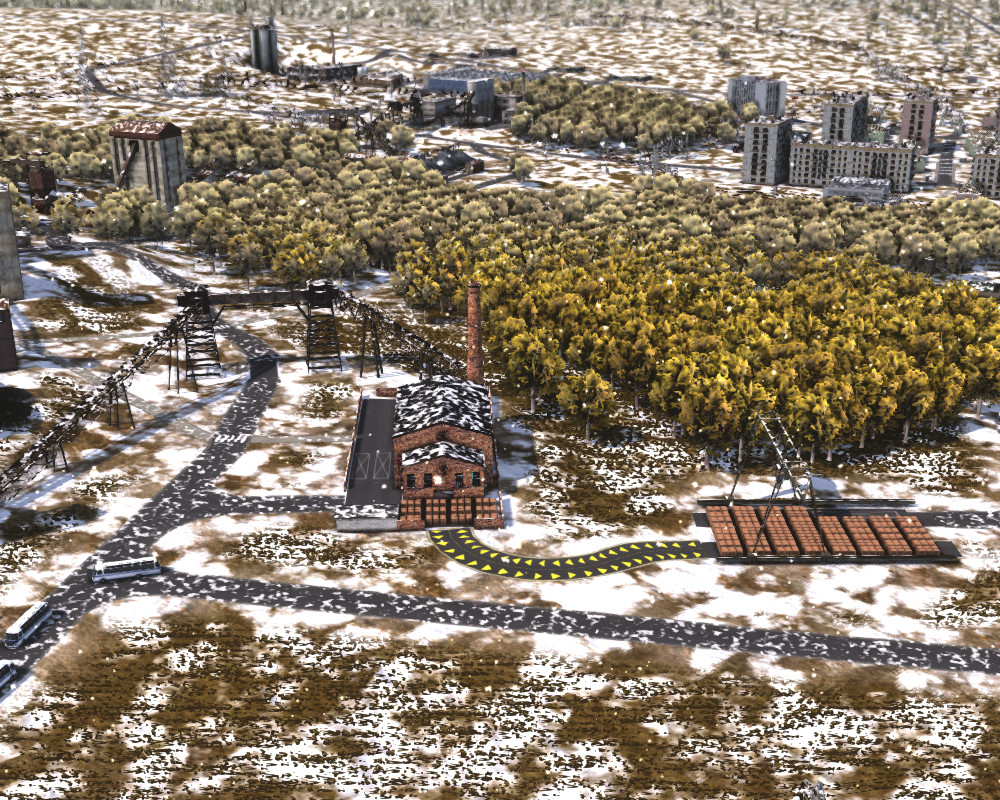
Additionally the construction of a new stone mine stones further supplied the construction headquarter with domestic resources.


The first Newspaper of the Egalitarian Community, the “Republican” had its headquarter next to the textile factory.

A fire also disrupted the textile factory

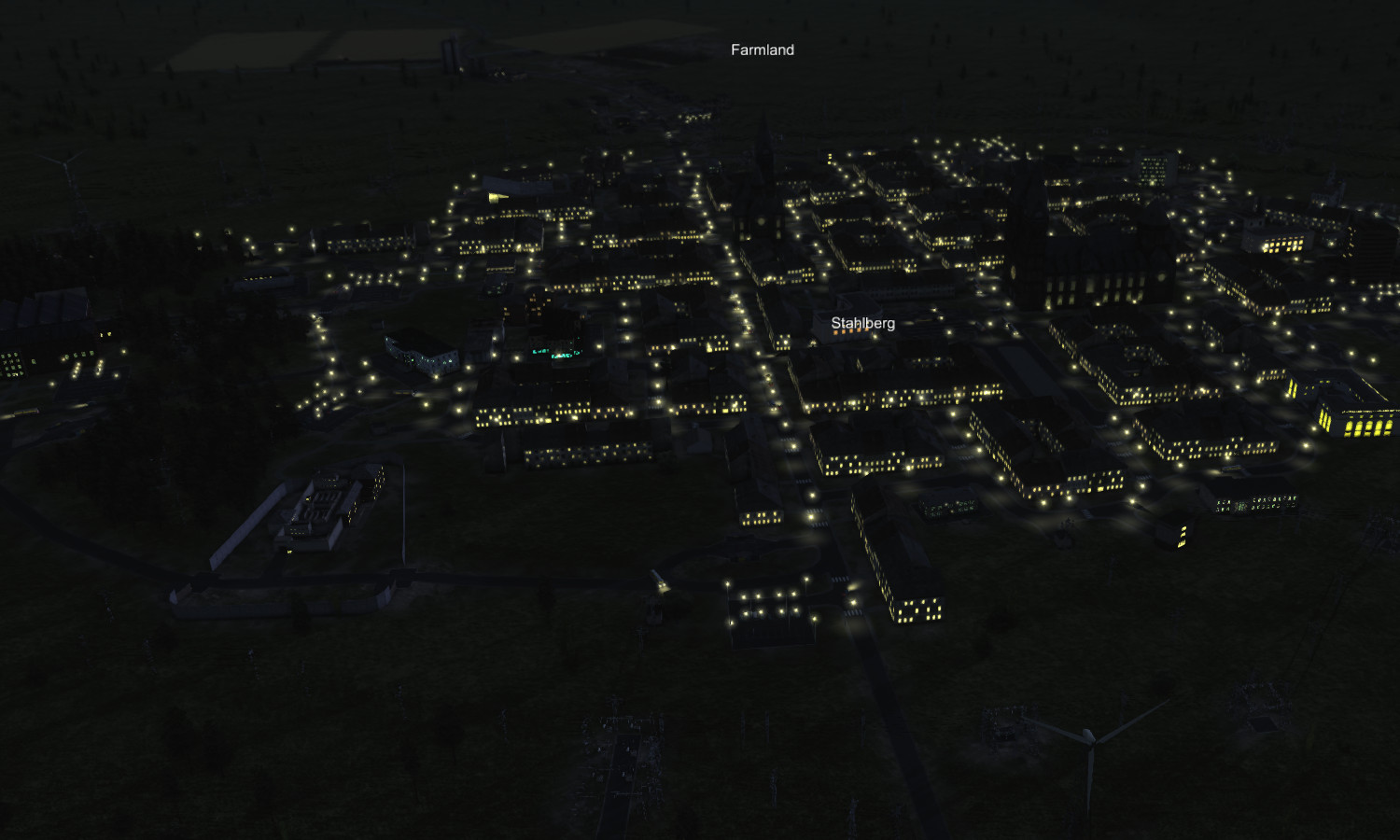
2. Prosperity in Stahlberg
The town of Stahlberg experienced a period of growth and prosperity.
A massive textile factory emerged as a key industrial player.

The upper class soon adopted car ownership as a new sign of status and wealth. The municipal administration responded by financing a network of parking lots. The demand for tourist destinations grew, but only a few neighboring villages where reachable targets.
All towns neighboring Stahlberg lacked fuel stations necessary for long-term car travel.

Three small farms reduced the import of grain. Instead of central planning, Stahlberg prefered a free market for agricultural goods. Heavy rainfall secured good harvests in that year

The unequal distribution of wealth lead to some tensions. Rich citizens petitioned the government to construct a prison for those criminals who dared to vandalize their cars and property.

3. Engelberg – The new capital
Engelberg was named after a legend. According to the myth an angel crowned the first king of the kingdom in the nearby mountains to the south of the town.
Engelberg was the largest town of the Egalitarian Community. A good location for a harbor meant, that it had potential to connect to all settlements on the river system. Therefore planners suggested, that the place could become the new capital of the State.

The first step towards modernizing was to connect the area to the power-grid of Solidarity, and create a resource and construction hub south of the town. "Midfuelpoint" was supplied by the town of Solidarity.
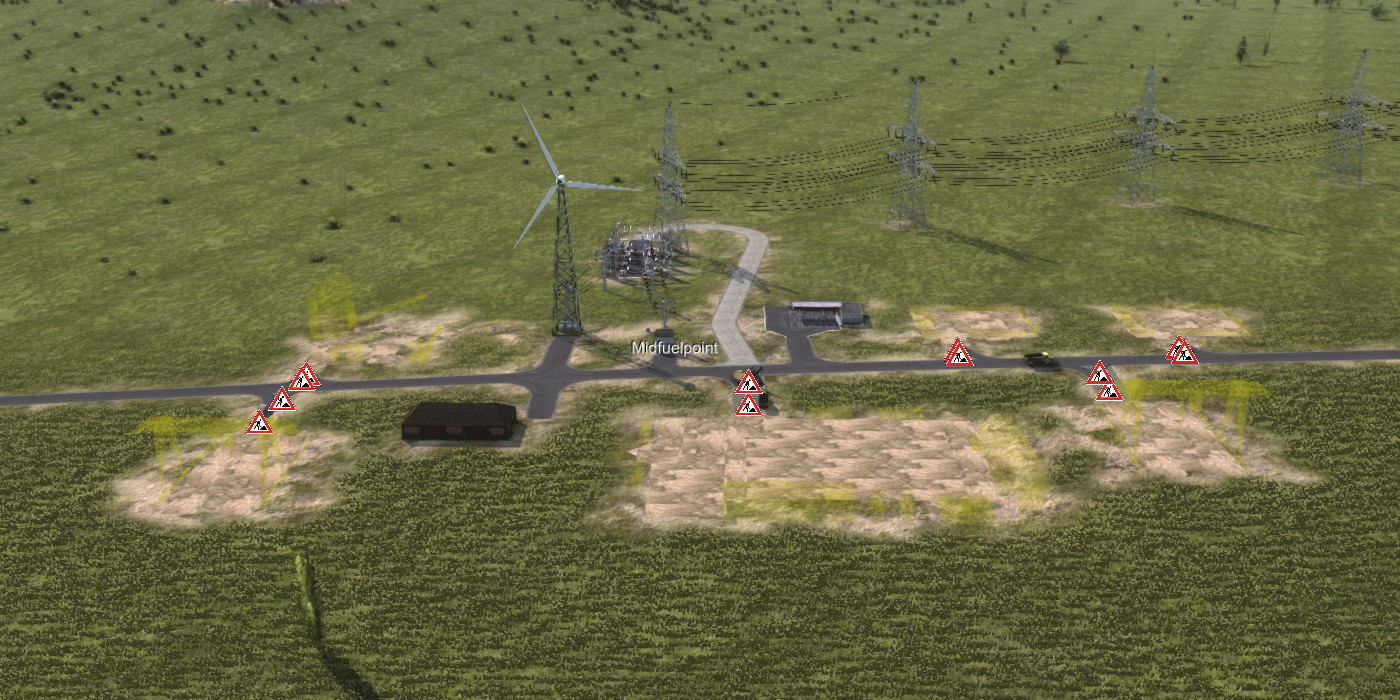
Connecting the town to the power-grid and building basic services was the key to enable a modern standard of living. It took some time to construct all the necessary services, like schools, kindergartens, hospitals.


The cinema for international movies became a center of culture and popular meeting spot
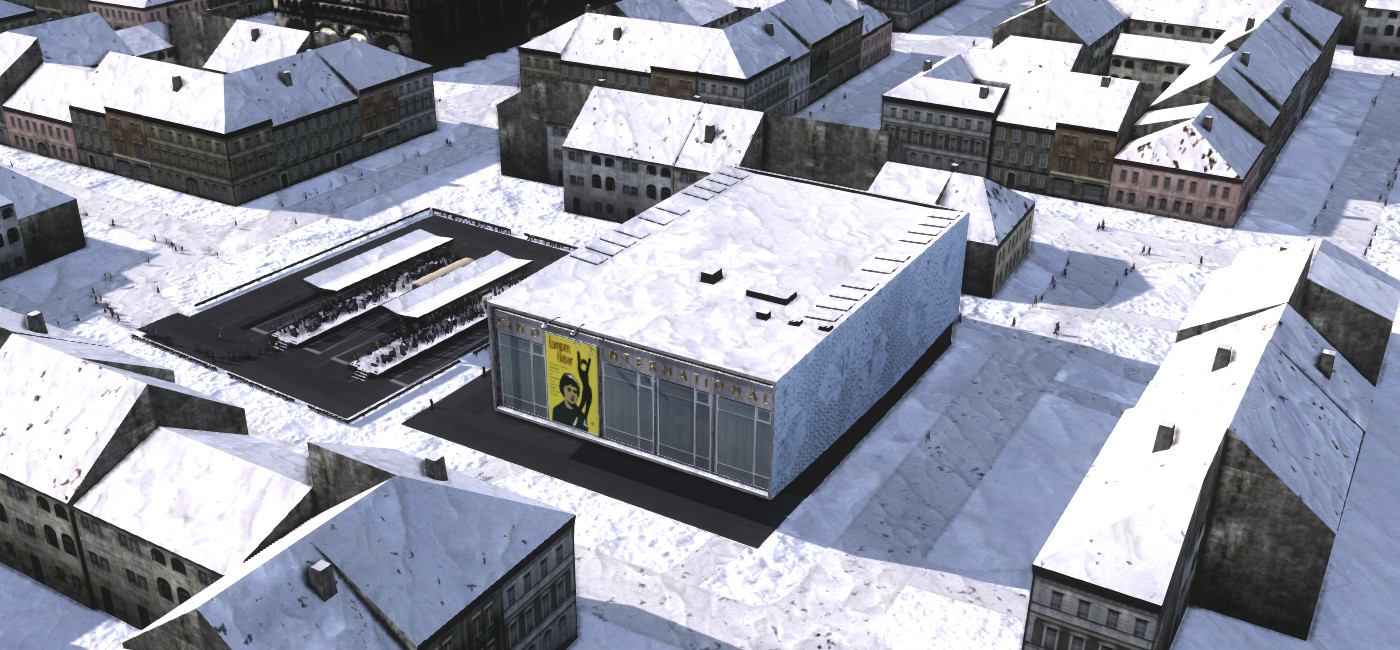
The modern clinic directly next to the police headquarter caused some controversy … . It had a helicopter landing pad directly on the roof of the building. Other fractions of the region feared, that the helicopter might be used to spy on them. The Egalitarian Community tried to disperse fears by stating, that the helicopter should help all settlements during disasters or accidents, even in very remote locations.


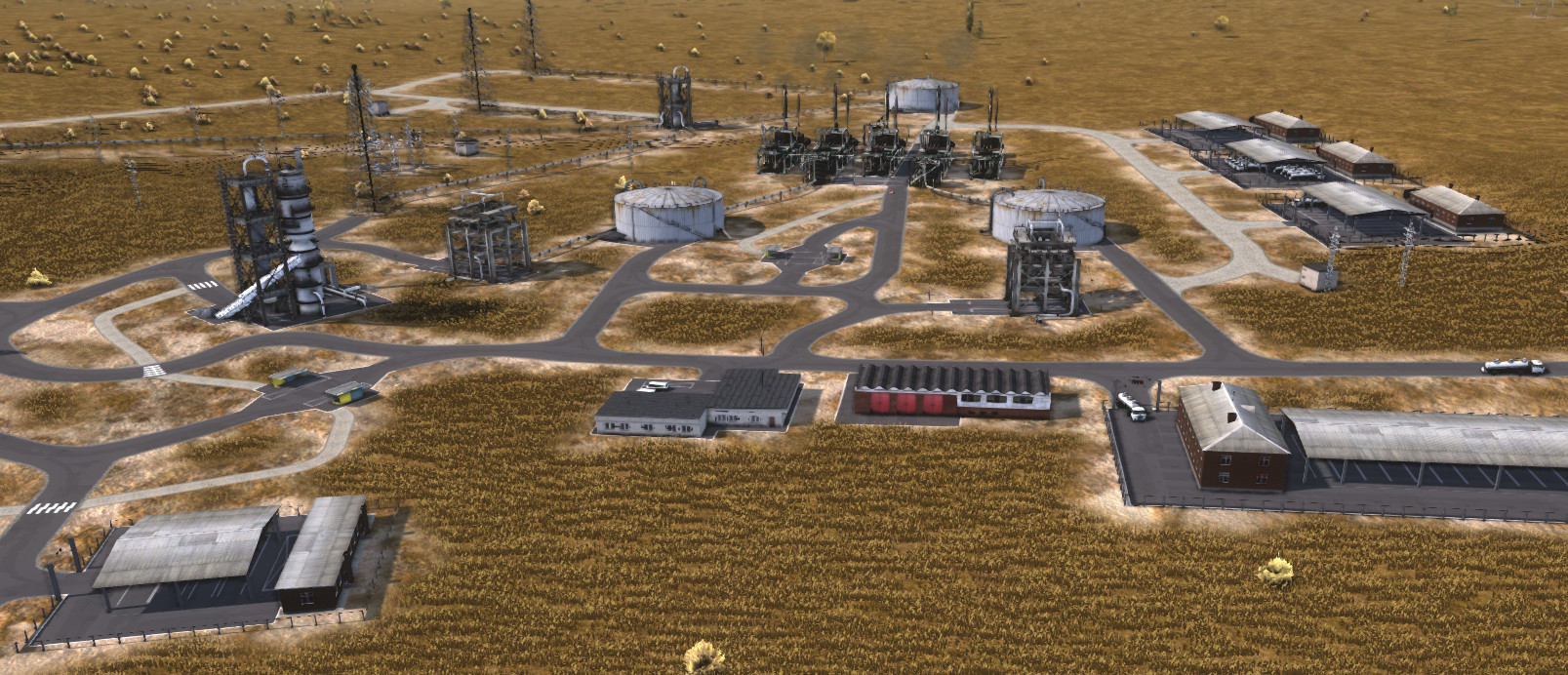
Engelberg was selected for a gas power plant, and a fuel refinery. Domestic fuel production was seen as the key for more self-sufficiency. Before that, the Egalitarian Community had to constantly buy fuel on the international market. It took some time to construct all production buildings of the building complex.

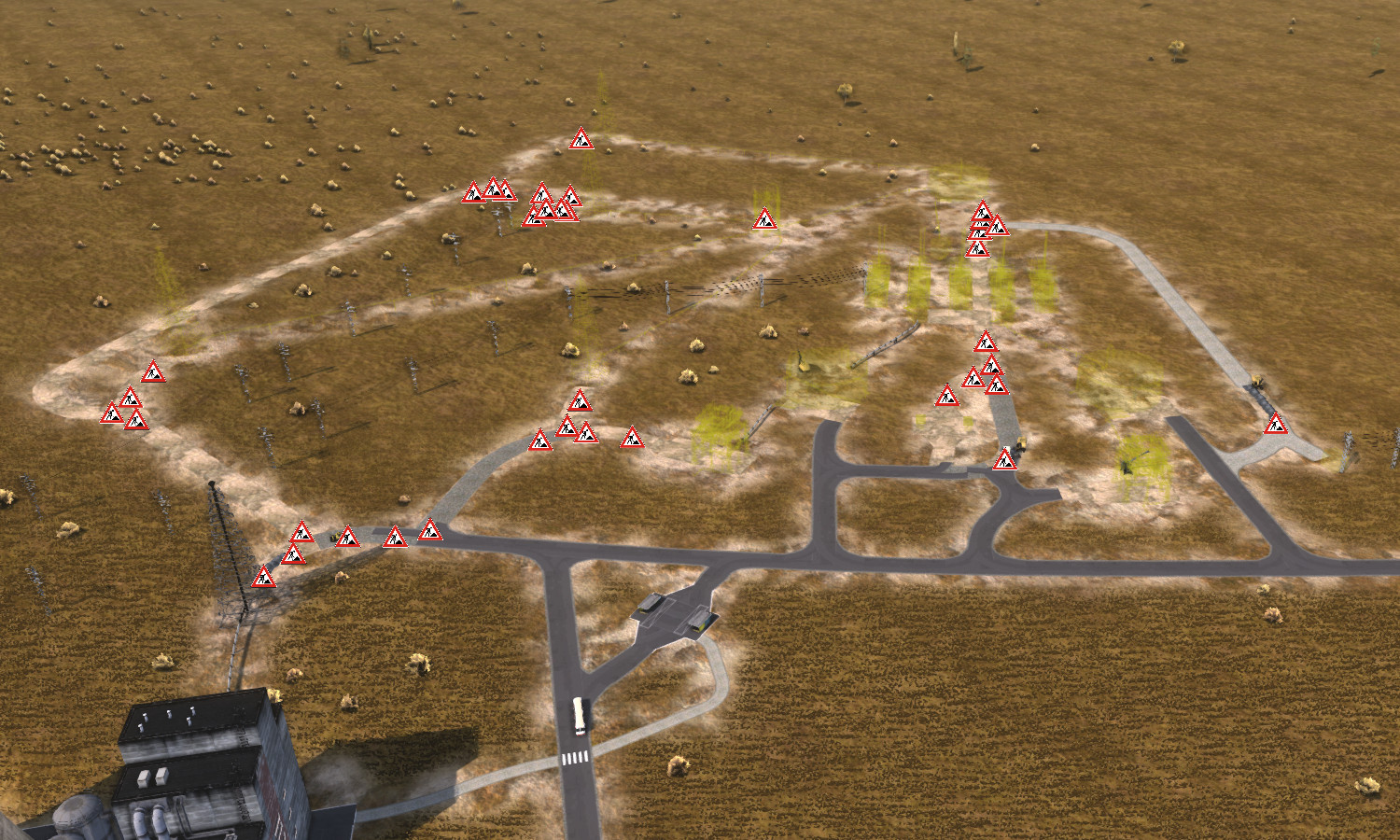
While the town now had an adequate standard of living, a new city district should show modernity and progress. The first radio of the Egalitarian Community should have a headquarter at the outskirts of the town.

Several buildings should serve key administrative and representative functions. The blue administrative building was for the planning committee and the council of the Community. Soon it just got called the "Blue House".

A modern court should settle judicial disputes and preserve the human rights of all citizens. Directly next to it was a rather extravagant museum. The museum had a grand exhibition about the fall of the kingdom, the egalitarian revolution and the current development of the Community. Behind these three administrative buildings was a hall for large meetings and sport events.

To break the dominance of the old town with its large churches innovative architects proposed building three high-rises. The highest, directly before the radio building should show, that only the sky is the limit. Directly next to them was the building of the new intelligence agency. Gathering information to protect the republic against foreign threats. Building so high was a real challenge.
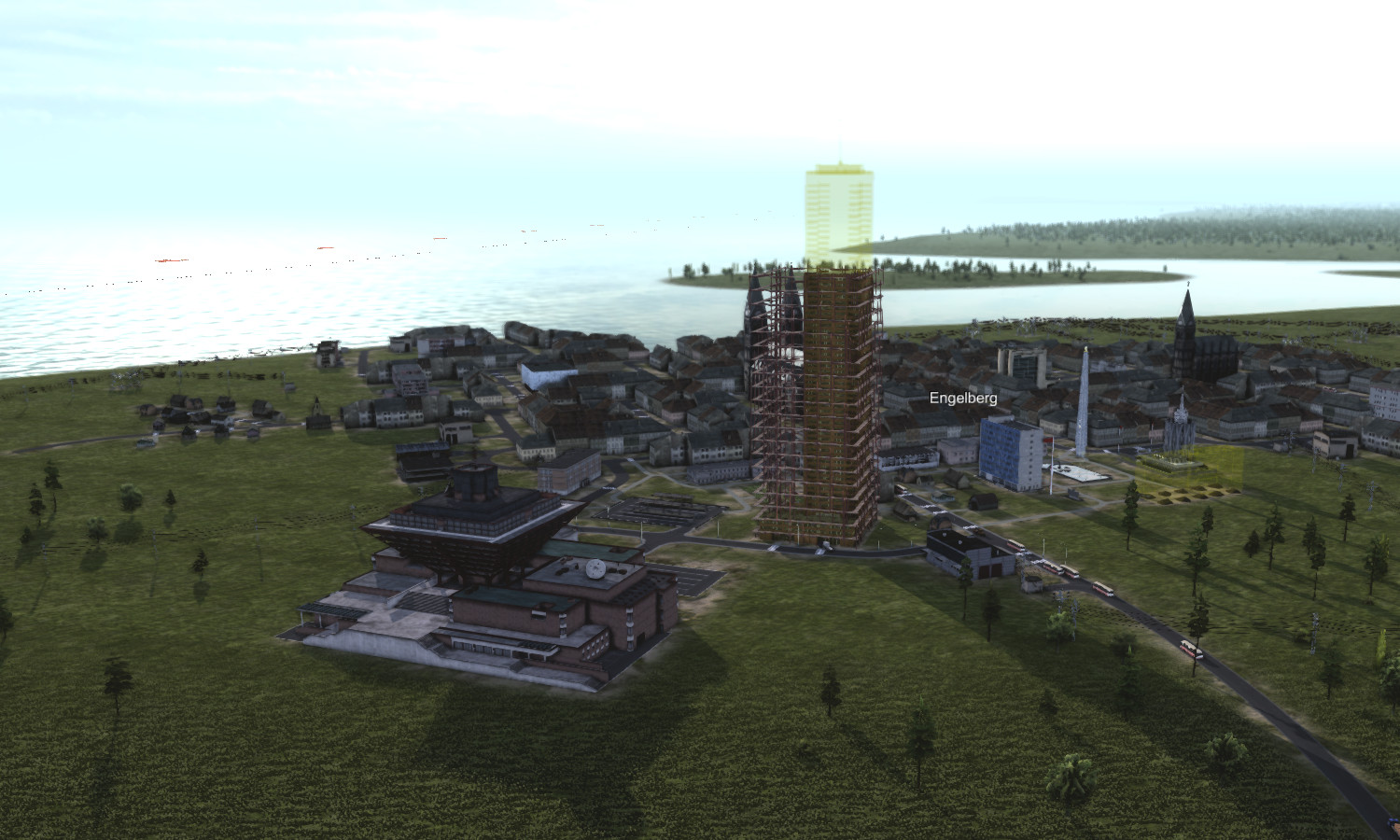
Directly next to the highest high-rise was the building of the new intelligence agency. Gathering information to protect the republic against foreign threats.

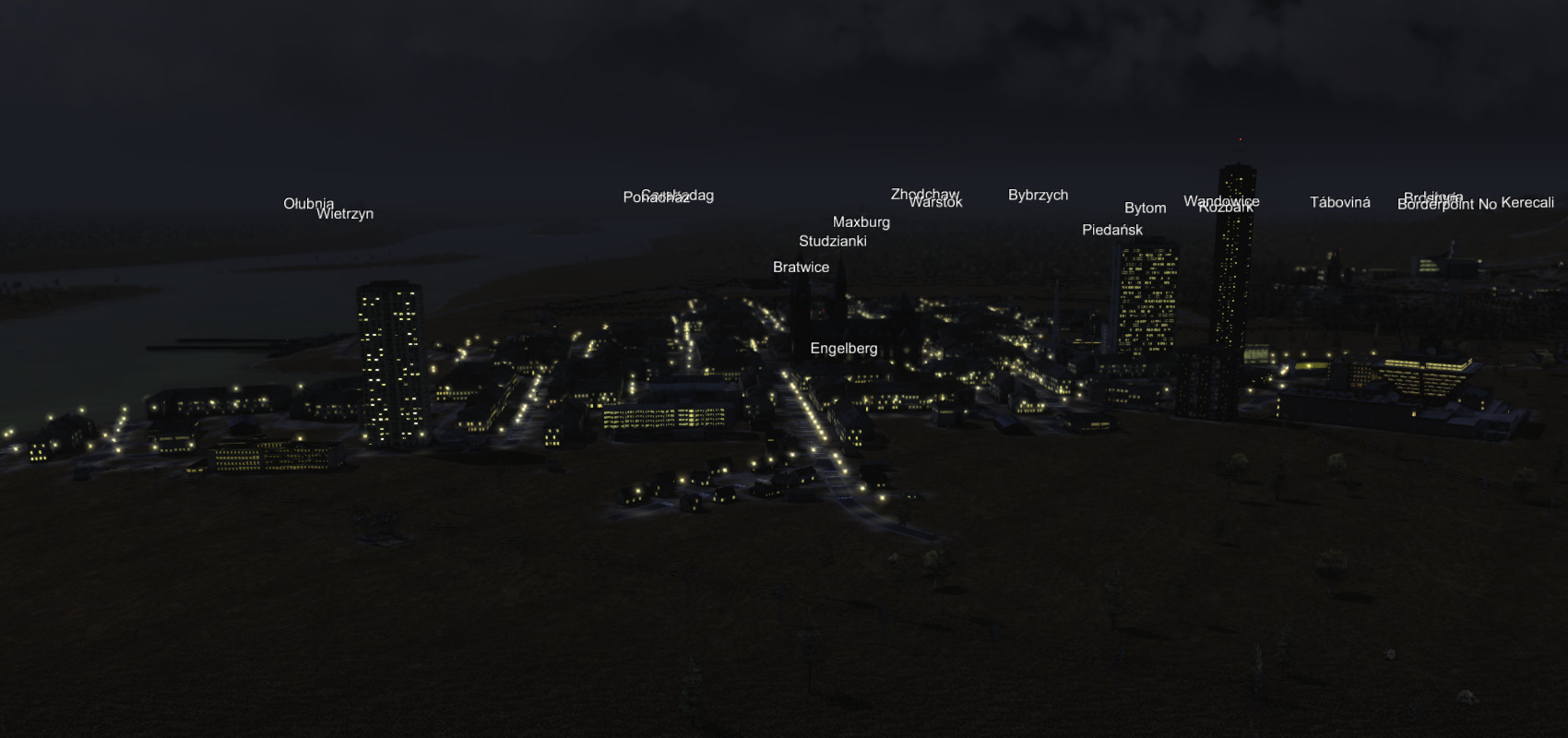
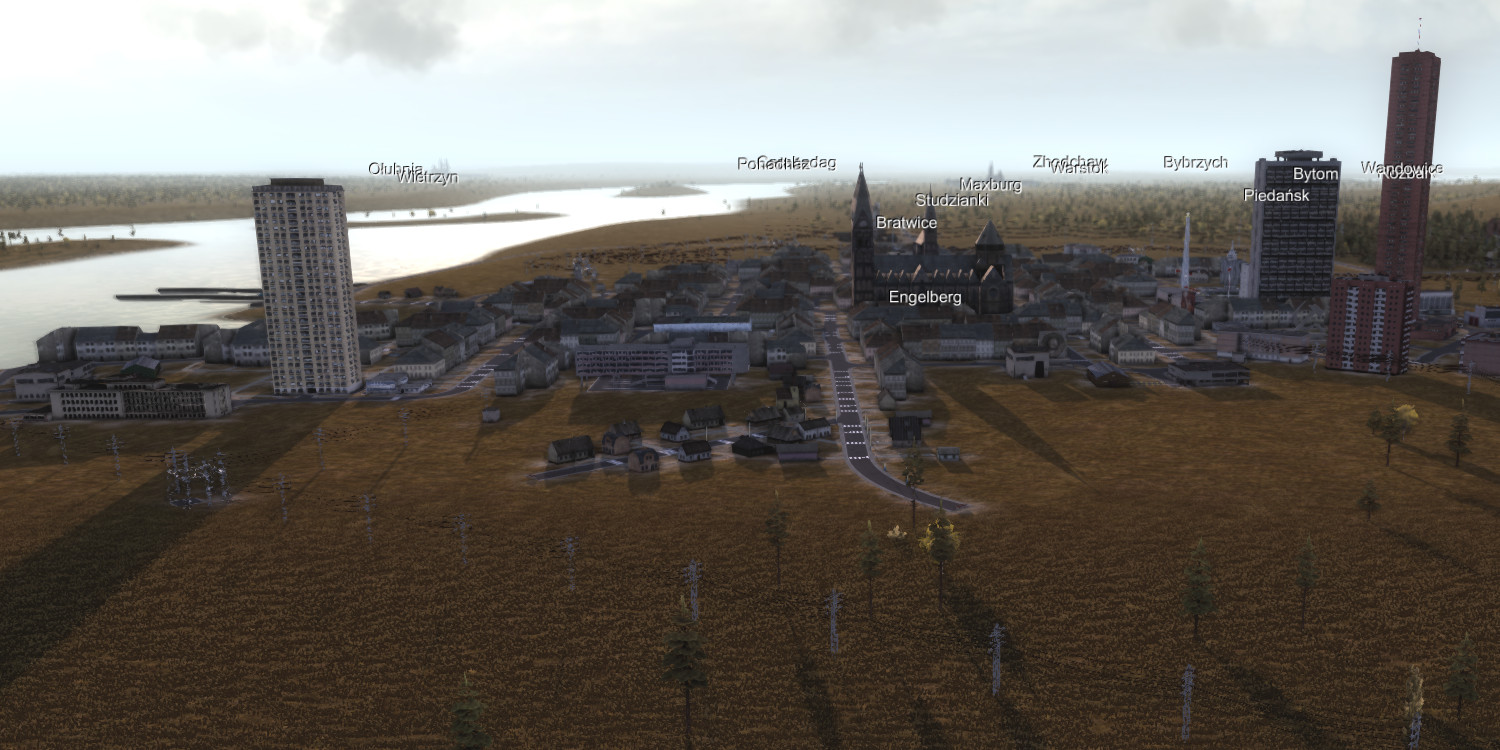
Engelberg was the first town with a small skyline


To become a strong industrial powerhouse, producing their own steel was key for the community. A large complex with mining, refining and forging facilities was gradually build.


Finally the great day arrived, the complex produced the first domestic steel without any imported resources!

Finally a modern large dock was constructed to improve the connection to the outside world. A small passenger ship was bought. It served as a patrol boat for the river. Economic planners dreamed about the huge potential of a merchant navy.


Clearly Engelberg was now the political and economic center of the Egalitarian Union
4. The Princess beyond the Sea (digression to Tropico 4)
Princess Anastasia was the last survivor of the former royal family. During the collapse of the kingdom, she and her four remaining guards captured a small ship and left the region.

They stranded on the small and underdeveloped "Isla de Luna". The pompous, paranoid and jingoistic [in-game traits!] princess established her rule over this small place. The small native farming community failed to resist her.
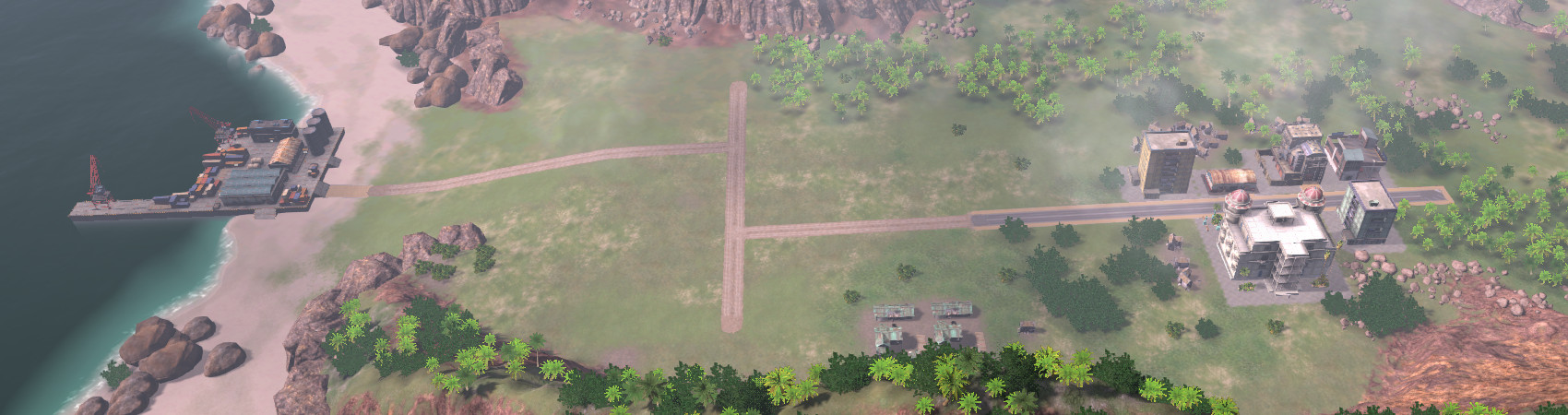
The export of agricultural goods and lumber should give enough revenue to build a small army. Especially since Anastasia used the army to force the population to accept low wages.


The palace offered a live of luxury and lavish ceremonies for the princess and her closest followers.

But Anastasia constantly proclaimed, that in a not so distant future, she and her followers should prepare for the reconquest of the old kingdom ...
With a population slightly above 120 this kingdom beyond the sea was smaller than the smallest independent settlement on the mainland. That caused some doubts among the population about the practicality of Anastasias ambitions.
-------------------------------------------------------------------------------------------
What would the future bring? Would the Egalitarian Community as an economic powerhouse completely dominate the region? Would new fractions emerge to challenge them? Would Anastasia really try to return?
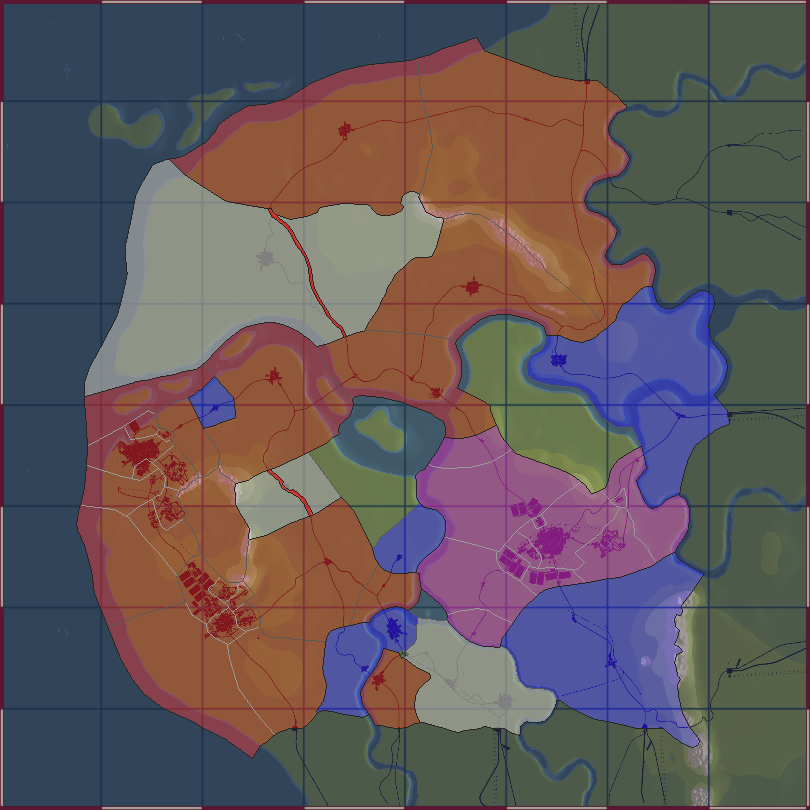
And here is the map of the main region after this chapter
-
 9
9


1 Comment
Recommended Comments
Sign In or register to comment...
To comment in reply, you must be a community member
Sign In
Already have an account? Sign in here.
Sign In NowCreate an Account
Sign up to join our friendly community. It's easy!
Register a New Account