


Papiretum - The Origins

Replies
spursrule14 : Many Thanks! I appreciated your red stamp!
Schulmanator : Thanks!
Huston: I realized the river following the instructions of your tutorial 
TekindusT: Thank you! In one of the next photo you'll find a little bit of traffic.
Moerp: Thanks you!
Pasqualegiò: Grazie amico!
Feeroz123 : I still have so much space to fill!
agunter999 : Thanks!
________________________________________________________________________________________________________________________
The origins
The story of Papireto , like that of many other Italian cities has ancient roots. Papireto already existed in Roman times.
It was called Papiretum and was founded on the banks of the river cyan by the commander Gaius Iulius Macundus in 49 a.c.
Its name derives from the Latin papȳru , marsh grass of the family Cyperaceae , which was abundant along the banks of the river cyan and which was used for the production of parchment.
Thanks to the production of papyrus in a short time the Roman settlement became a large city . The inhabitants of neighboring places moved from the countryside to the city. So it was that it developed a large Roman forum where they carried out the main economic activities of the city. Testimonials can be found in the book " hystoria de Papiretum " by the great Roman historian Marcus Tullius Cardone .
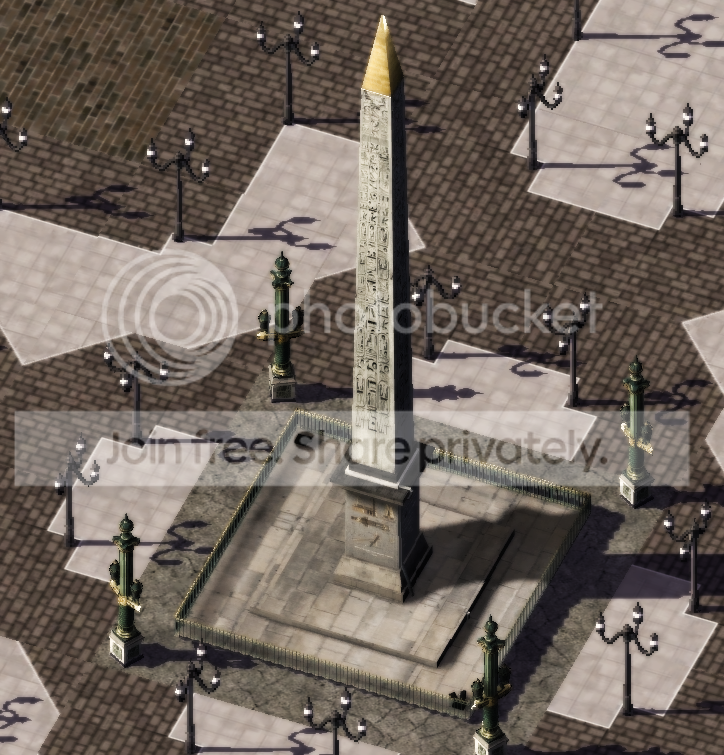
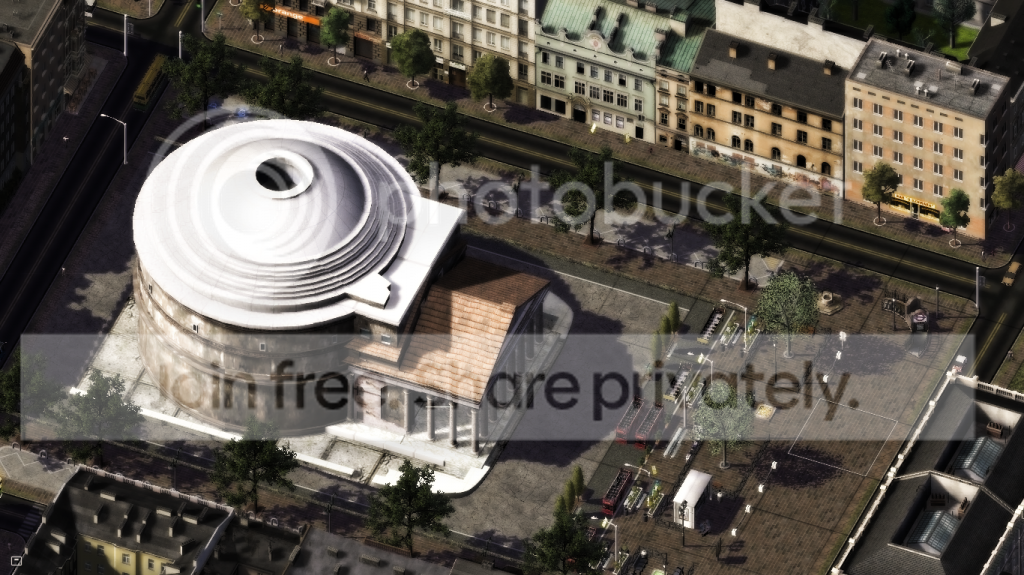
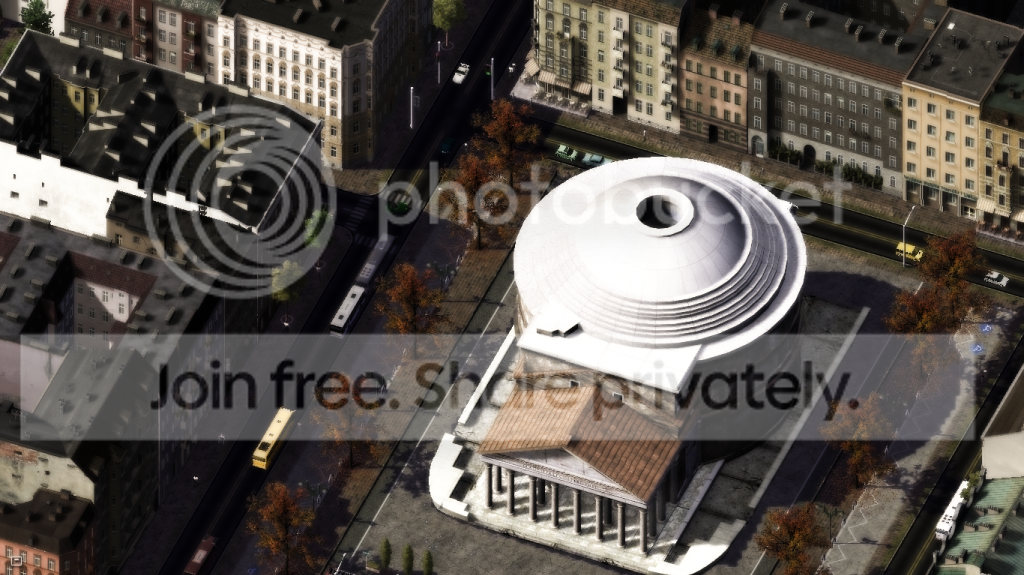
Until 1948 the only visible traces of Roman rule in the city were the stele of " Piazza del Popolo " and the Pantheon , which survived at the time, is one of the main attractions in the center of Papireto .
In July of 1948 , not far from the historic city center , a veterinary doctor noticed some Latin inscriptions on a cattle trough .
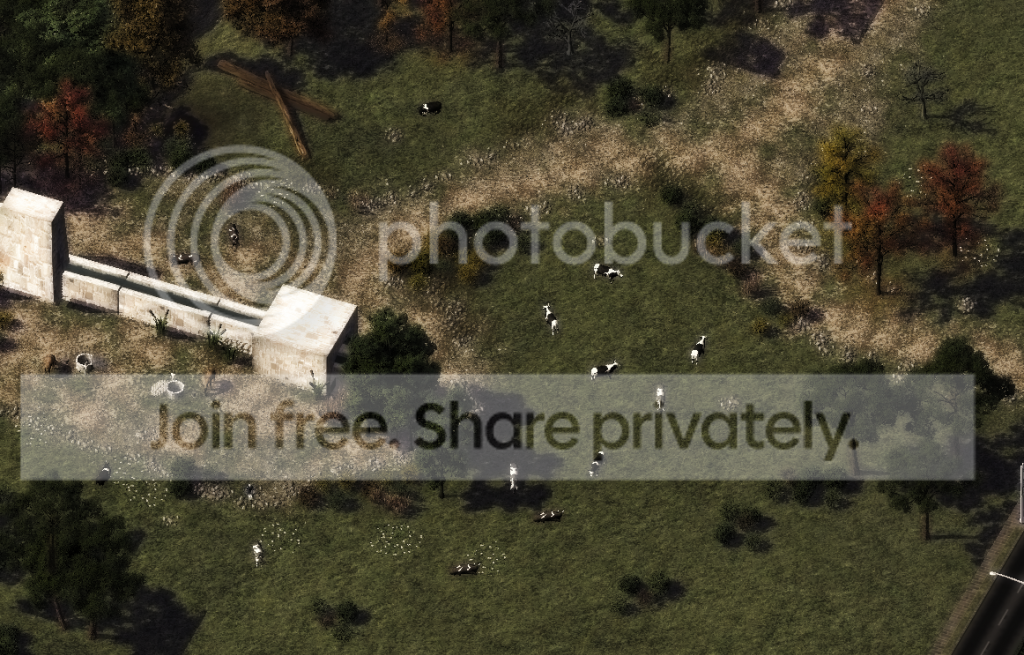
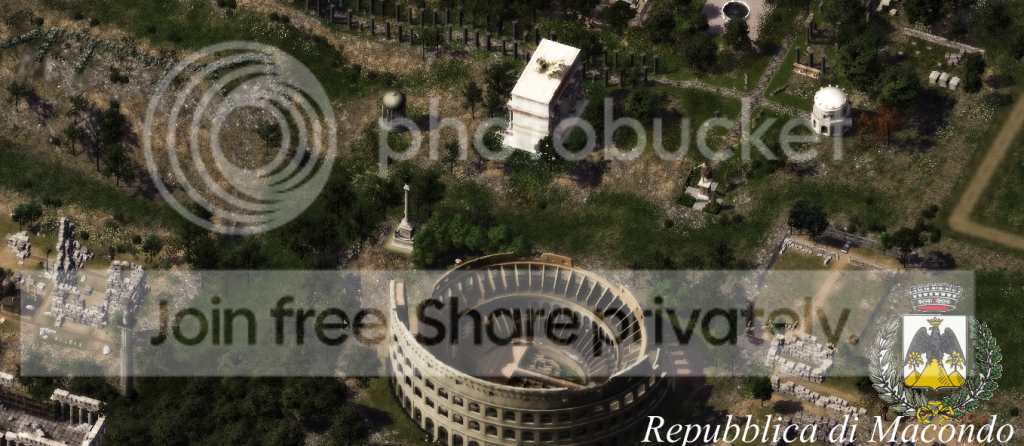
Following the discovery excavations were undertaken in the area and in a short time it was discovered that the trough was actually a part of a Roman aqueduct . After about 10 years of excavations brought to light a part of the Roman forum described by Marco Tullio Cardone . Were returned to light the remains of the Temple of Jupiter, The House of the Vestal Virgins , part of the Sacred Way and the Basilica Macunda . It was also found a giant statue of Venus and the remains of houses.
In 1985 , during excavations for the construction of the underground were discovered other archaeological finds from the Roman period . Thus were resumed excavations which brought to light the remains of a Roman amphitheater and a large bronze statue of the commander Gaius Iulius Macundus . They were discovered the remains of the Temple of Vesta and a triumphal arch erected between 202 and 203, which was dedicated by the Senate to the Roman emperor Septimius Severus .

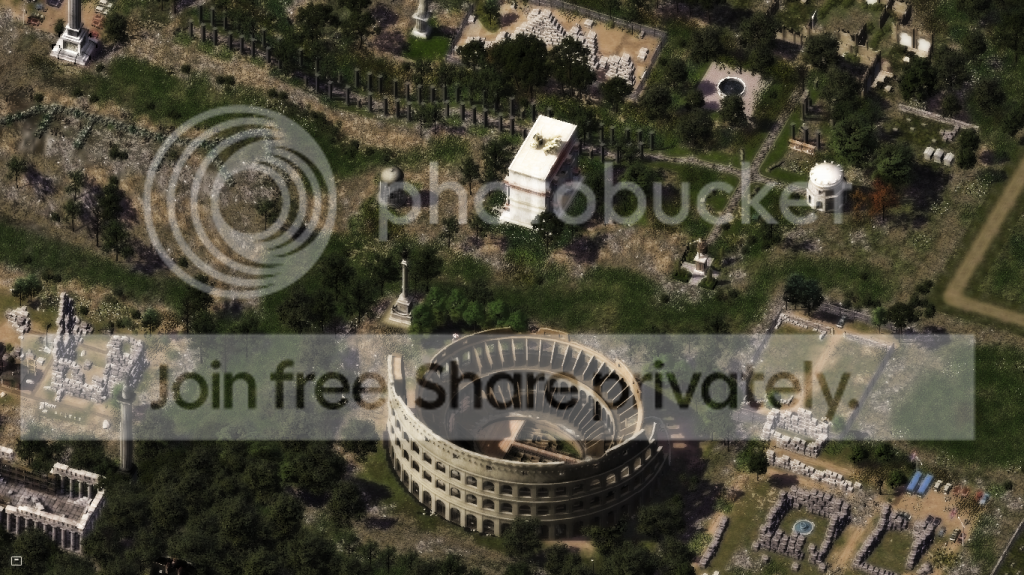
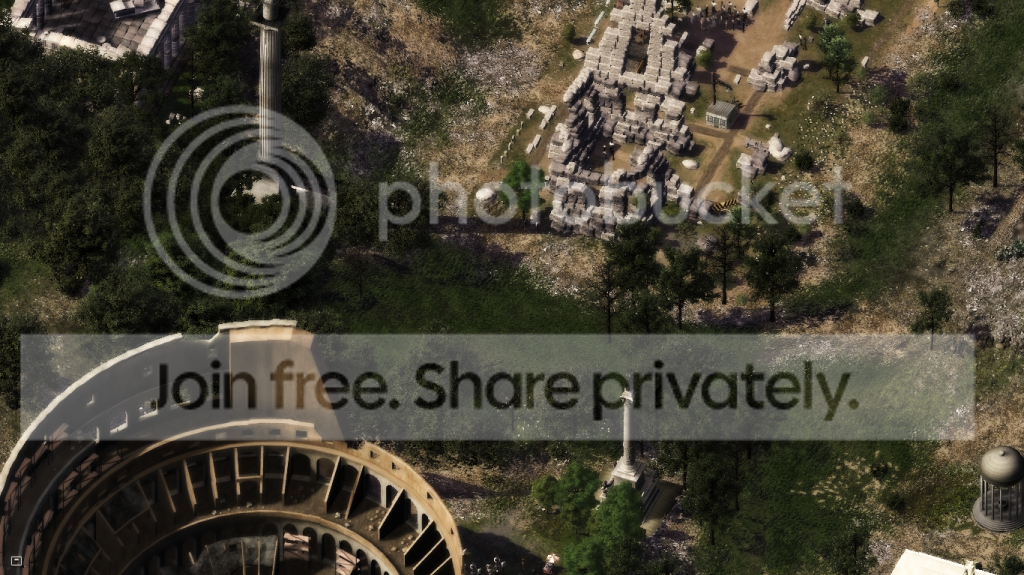
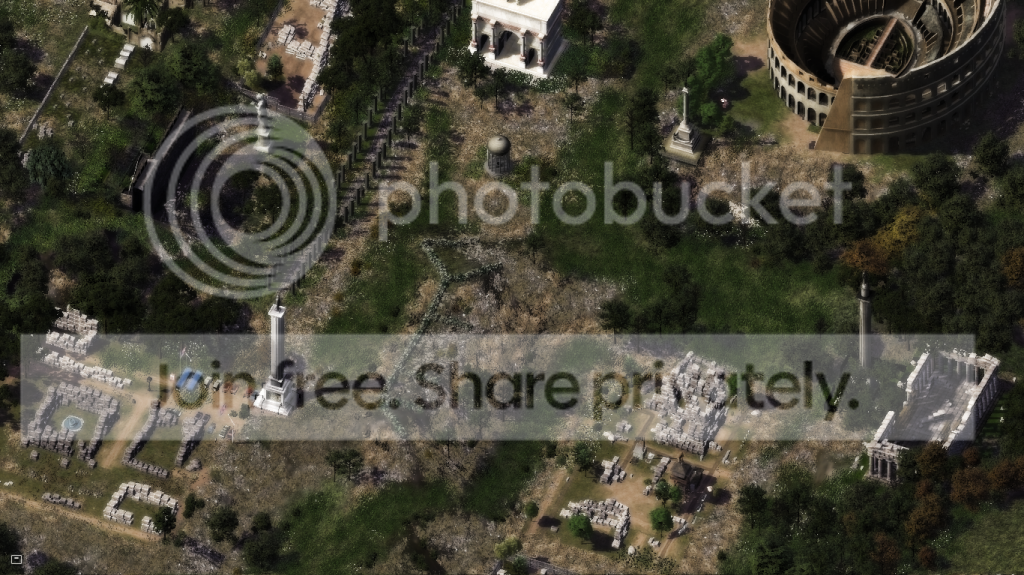
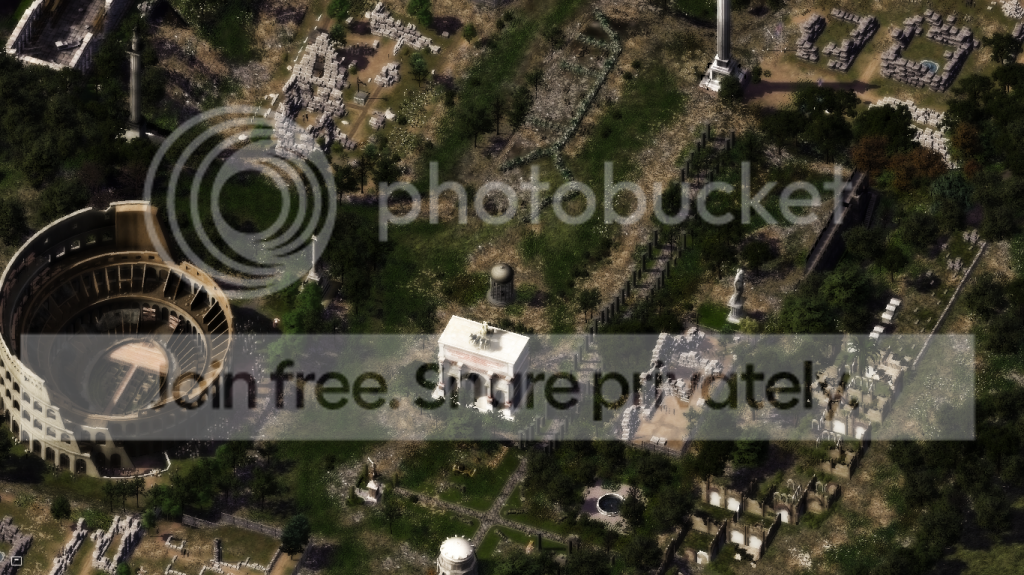
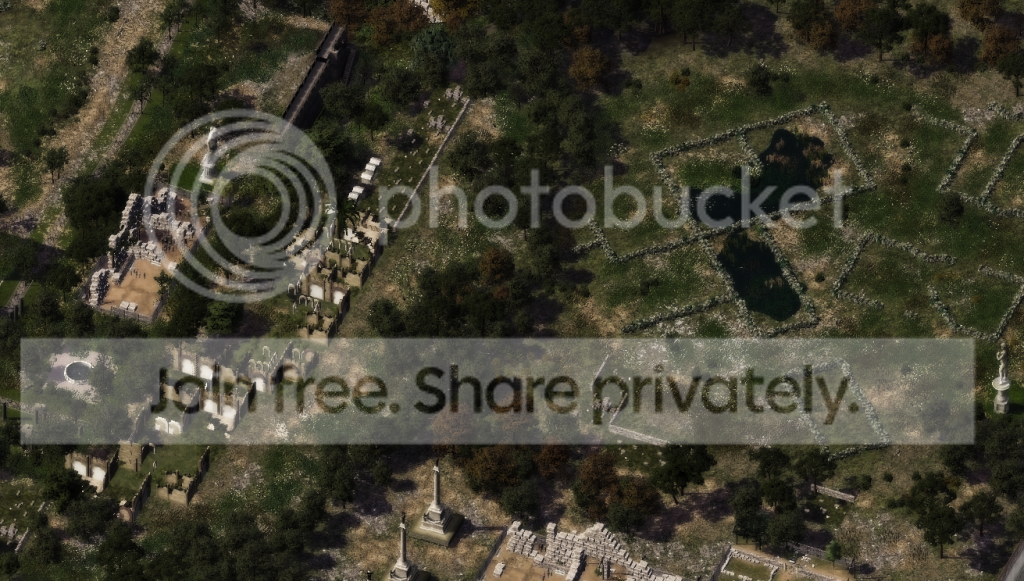
The map is available at the entrance of the archaeological site and is free. Good vision.
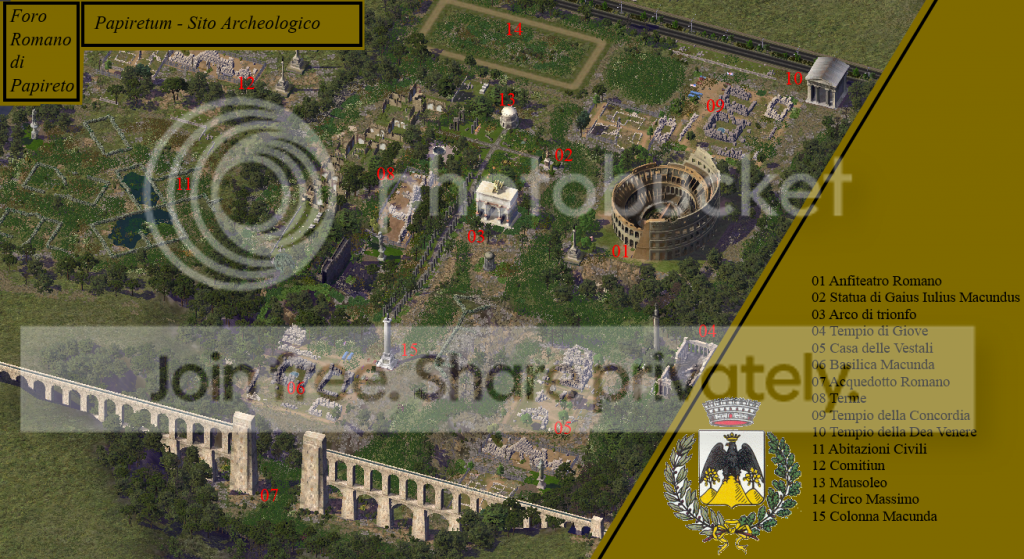
-
 12
12


8 Comments
Recommended Comments
Sign In or register to comment...
To comment in reply, you must be a community member
Sign In
Already have an account? Sign in here.
Sign In NowCreate an Account
Sign up to join our friendly community. It's easy!
Register a New Account