


DART Overview: Part III (Monorails)


Replies from "DART Overview: Part II (because part I was so good)"
escilnavia: Wow! Thank you for such a nice comment; it really means a lot and helps me keep working at it!
skyscraper241: Way thank you! And that reminds me; I should post a new region view soon.
JGellock: Dude; thanks for the kind message! I am glad that you are enjoying my new CJ (and I noticed the other comments you added, too! Thanks!)
DCMetro34: Thanks so much! I was hoping for a message from you during these transit updates!!
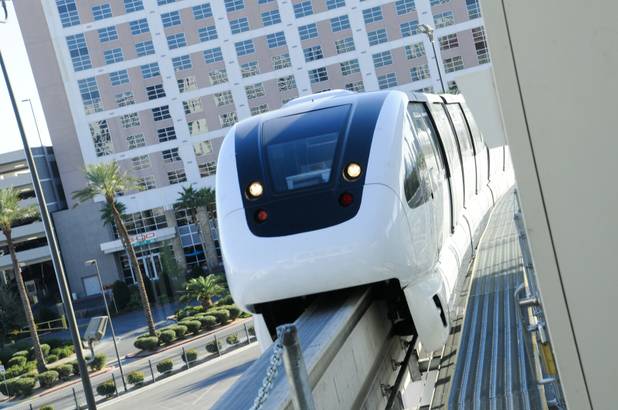
This (very robust) entry will continue the explanation of the Deschutes Area Rapid Transit (DART) system.
After building the ground-level portion of the DART system by converting traditional rail lines into passenger railways, a new system was needed for the region's southern areas.
The new system would be totally build by Deschutes-based companies, including tech, construction, and rolling stock. And in building a new system, the planners could consider each and every option available to them. Several types of rail systems were considered but ultimately rejected for the second portion of the DART system.
Conventional Rail was initially considered, as it would be compatible with the first phase of the DART system. However, it was rejected because it would not world equally well as both a metro and interurban system. Also, conventional rail needs many at-grade street crossings, which is both dangerous and undesirable.
Thereafter, light rail (a new technology at the time) was put on the table. However, the capacity levels and speeds were too low. Plus, the above issues of at-grade crossings existed.
Elevated rail was also suggested. However, the speeds (like light rail) was too slow for the interurban service. Also, traditional elevated rail blocks sky views and is, well, rather ugly.
At long last, monorails were suggested and chosen. This was because monorails:
- Can work well for metro and interurban systems,
- Have no at-grade street crossings,
- Can run with automated (driverless) trains,
- Have low "footprints" on the ground,
- Block very little sky, and
- Provide an attractive transportation experience.
The trains were developed by they newly formed Salish Monorail Co.
Interior designs of the original monorail cars
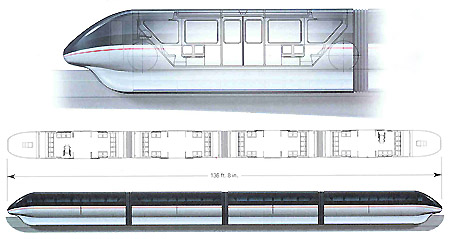
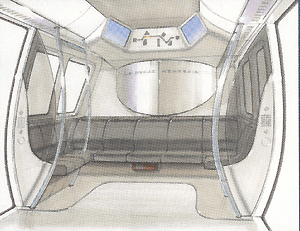
The original train on a test run.


The monorail system, named Sky DART, would run from Bend through the southern peninsula, through Deschutes City to the northern areas. Here, again, is the map for handy reference:

The system includes what was then the longest monorail-only bridge which crosses the Somena River into Southern Deschutes.


Nearly all of the original stations were build with the sleek style shown below. The design included four escalators, glass coverings, and real-time arrival times.

The eastern end of the line in Bend, which would connect to the Earth DART, proved to be a challenge. This was accomplished by a second crossing of the Somena River.
The "second crossing".

Time for a close-up.

And there is plenty of room for transit and nature in this urban environment.

Thanks for the visit, and see you soon!
-
 1
1


3 Comments
Recommended Comments
Sign In or register to comment...
To comment in reply, you must be a community member
Sign In
Already have an account? Sign in here.
Sign In NowCreate an Account
Sign up to join our friendly community. It's easy!
Register a New Account